
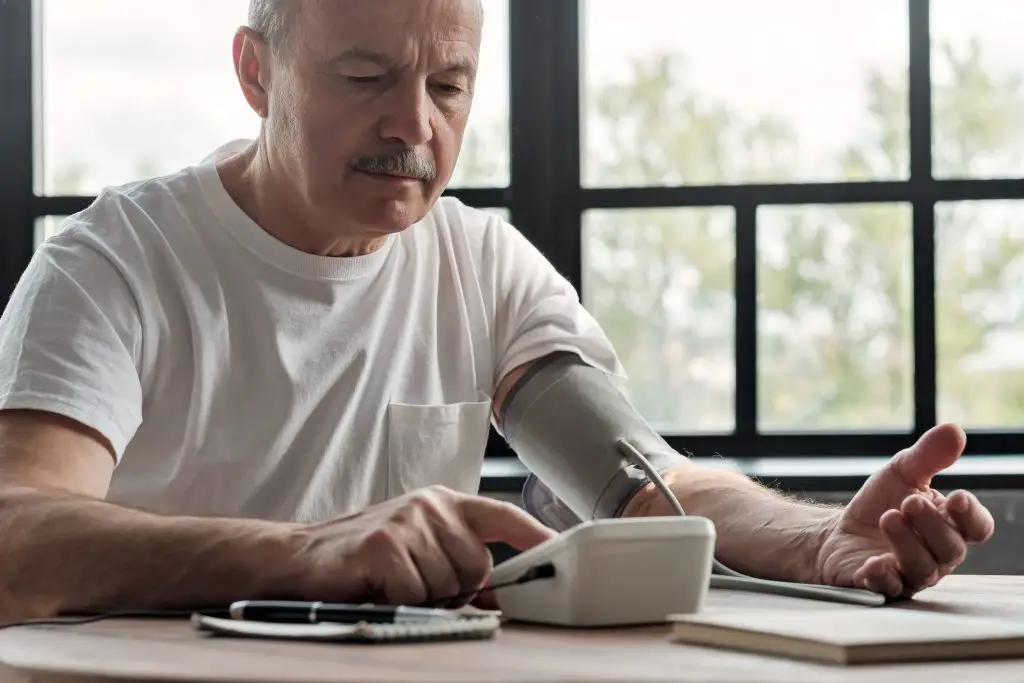
High blood pressure affects more than half of all adults over the age of 60 in the United States, yet many people don’t realize they have it until complications arise. Often called a “silent killer,” unmanaged high blood pressure can lead to heart disease, stroke, kidney problems, and other life-threatening conditions. And unfortunately, there’s little warning as the condition progresses without symptoms until something drastic happens.
While medication remains a cornerstone of blood pressure management, it’s not the only solution—and it may not be right for everyone. Research consistently shows that regular exercise can significantly reduce resting blood pressure in adults of all ages. This natural approach offers hope for those seeking alternatives or complements to traditional pharmaceutical treatments.
How to help with high blood pressure
Many people with high blood pressure, which can only be diagnosed and monitored by a medical doctor, may have a treatment option with antihypertensive medications. These drugs work through various mechanisms—some relax blood vessels, others reduce the heart’s workload, and still others help the kidneys eliminate excess sodium and water.
However, medication isn’t always the perfect fit for everyone. Some people experience negative side effects like dizziness, fatigue, or sexual dysfunction. Others prefer to explore natural, conservative approaches first, especially if their blood pressure elevation is mild to moderate. All of these factors and options are made clear in coordination with your primary care provider.
This is where exercise shines as a complementary or sometimes alternative treatment. Numerous clinical studies have demonstrated that regular physical activity can lower both systolic and diastolic blood pressure by 8-11 mmHg—a reduction that rivals many medications. The best part? Exercise comes with bonus health benefits rather than unwanted side effects.
The key is consistency. Just like medication needs to be taken regularly to work, exercise must become a sustained habit to maintain its blood pressure-lowering effects. Our Physical Therapists can help you stay motivated, encouraged, and engaged with a personalized heart-healthy exercise routine, although we are not able to provide direct treatment or diagnoses for high blood pressure. We will work with your primary care physician to ensure any complementary exercise plan is safe and recommended for your specific health needs before getting started.
Types of exercise for lower blood pressure
There are generally two types of exercise recommended and studied for their effect on blood pressure in adults. Aerobic or whole-body exercise, and strength training that targets specific muscle groups.
Aerobic exercise
Aerobic exercise—similar to cardiovascular exercise—gets your heart pumping and your breathing rate up. This type of activity is distinct from weight-lifting or exercises that target specific muscle groups. Instead, aerobic exercise engages large muscle groups in continuous, rhythmic movements, which allows your muscles to generate energy using oxygen.
Examples include brisk walking, jogging, cycling, swimming, dancing, and hiking. The American Heart Association recommends at least 150 minutes of moderate-intensity aerobic activity per week, or 75 minutes of vigorous activity.
Beyond blood pressure reduction, aerobic exercise offers remarkable benefits. It strengthens your heart muscle, improves circulation, helps control weight, reduces bad cholesterol while increasing good cholesterol, and boosts mood through the release of endorphins. Regular aerobic activity may also enhance lung capacity, improve sleep quality, and increase energy levels over time.
Strength training
Strength training involves exercises that make your muscles work against resistance, such as lifting weights, using resistance bands, or performing bodyweight exercises like push-ups and squats. Although the mechanism at the cellular level is difference than aerobic exercise, research still shows significant benefits for heart health through anaerobic strength training.
Strength training may also offer unique and compelling benefits compared to cardio alone. It builds lean muscle mass, which increases your metabolic rate even at rest. This type of exercise is particularly beneficial for older adults, as it may help prevent age-related muscle loss and maintains bone density. Women going through menopause can especially benefit from strength training’s hormone-balancing effects.
Finally, focusing on specific areas while strength training can have a targeted benefit for your overall health; if you’re experiencing lower back pain on a regular basis, a Physical Therapist can teach you safe and therapeutic exercises to not only lower your blood pressure, but also help strengthen key muscles to reduce this pain.
Benefits of exercise for high blood pressure
Both aerobic exercise and strength training can effectively lower blood pressure when performed consistently. However, research suggests that combining both types may be most beneficial. Strength training that builds key muscles to prevent future injury or mobility issues while alternating with exercises that raise your cardiovascular strength can be particularly effective.
The cardiovascular improvements go beyond just lower blood pressure readings. Exercise strengthens your heart muscle, making it more efficient at pumping blood. This improved circulation means better oxygen and nutrient delivery to all your organs, reducing the risk of damage to the kidneys or liver.
Strengthening your feet and ankles improves balance and reduces fall risk—crucial for maintaining independence as you age. Building arm and shoulder strength enhances range of motion for daily tasks like lifting groceries or reaching overhead. A stronger back means less pain and better posture, which can even improve breathing and circulation.
The psychological benefits shouldn’t be overlooked either. Regular exercise reduces stress hormones like cortisol, which can contribute to high blood pressure as well as induce feelings of anxiety. The confidence that comes from getting stronger and more capable can create a positive cycle that supports long-term health habits.
Guided therapeutic exercise for a healthy heart
While any exercise is better than none, working with healthcare professionals who understand the relationship between movement and cardiovascular health can maximize your results safely. This is especially important if you’re new to exercise, have other health conditions, or are taking blood pressure medications that might affect your exercise response.
A structured, medically-informed approach ensures you’re getting the right type and intensity of exercise for your specific situation. At Sacramento Spine, our Heart Healthy wellness program combines evidence-based exercise protocols with personalized attention to help you achieve optimal cardiovascular health. Our team understands how to design exercise programs that safely and effectively lower blood pressure while addressing other aspects of your health and fitness.
Get started with your personalized heart health plan that incorporates engaging exercise plans by calling our team or requesting your first appointment online today.