
For many older adults, the fear of falling can be a constant worry, impacting their confidence and ability to live independently. This concern is not unfounded. According to the CDC, more than one in four older adults report falling each year, and falls are the leading cause of injury-related death among those aged 65 and older. These statistics highlight a serious public health issue, but they don’t mean that these consequences are inevitable. The good news is that many falls are preventable.
There are many ways to help your aging loved ones continue living on their own terms while significantly lowering their risk of a fall. Simple home modifications, regular check-ups, and medication reviews are all important steps toward lowering fall risk.
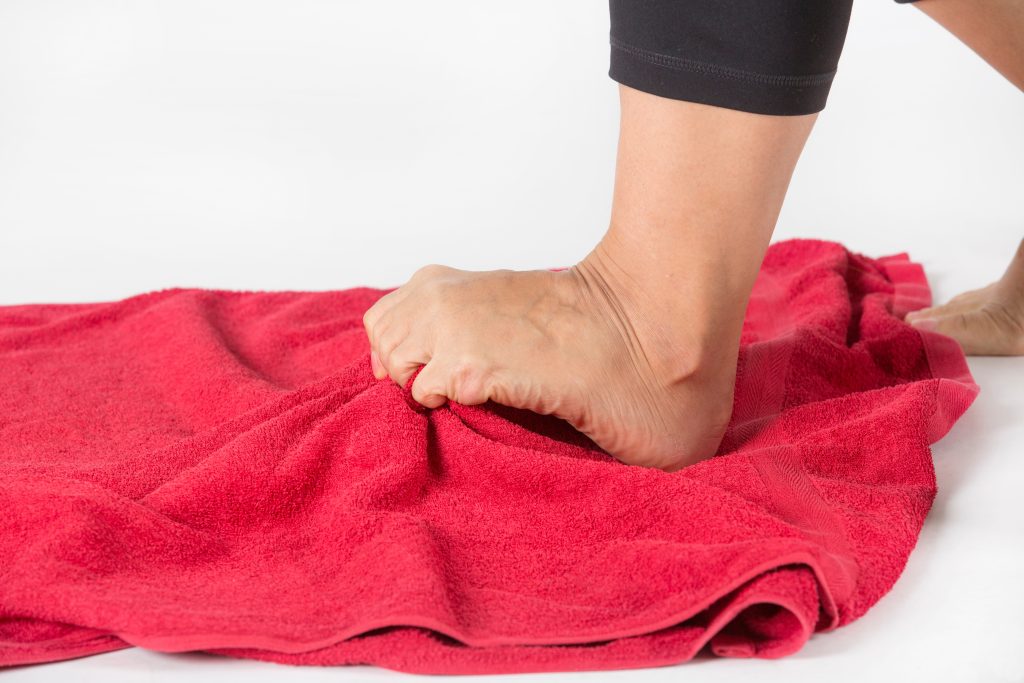
However, something that can be overlooked when eliminating fall hazards in a person’s living space is helping themselves have better balance, coordination, and strength. Therapeutic strengthening exercises, especially those focused on the feet and ankles, can dramatically improve balance and stability.
At Sacramento Spine & Physical Therapy, we use exercises like these as a cornerstone of effective fall prevention physical therapy, and even have a dedicated Fall Prevention Academy for those at greater risk or who have a history of falling.
What causes an increased fall risk?
As we age, our bodies undergo changes that can affect our stability and make us more susceptible to falls. Understanding these changes is the first step toward addressing them. Several common factors contribute to balance issues and an increased fall risk in older adults:
- Muscle atrophy: The natural decline in muscle mass and strength, known as sarcopenia, is a primary culprit. Weaker muscles, particularly in the legs, hips, and core, cannot provide the support needed to maintain an upright posture, especially when reacting to a sudden trip or slip.
- Joint instability: The ankles and feet are our foundation for most of daily life. Over time, the ligaments that support these joints can lose their elasticity, and cartilage can wear down. This leads to instability, making it harder to adapt to uneven surfaces or recover from a stumble.
- Slower reflexes: Our reaction time tends to slow with age, meaning the body’s ability to quickly correct its position after losing balance is diminished.
- Vision problems: Age-related eye conditions like cataracts or glaucoma can impair depth perception and make it difficult to spot hazards.
- Inner ear issues: The vestibular system in the inner ear is crucial for our sense of balance. Age-related changes or specific conditions can disrupt this system, causing dizziness or a feeling of unsteadiness.
A hard fall can lead to fractures, head injuries, and a long, difficult recovery. And just as significant are the emotional effects. The fear of falling again can cause individuals to limit their activities, leading to social isolation, a decline in physical fitness, and a diminished quality of life. This cycle of fear and inactivity only further increases the risk of future falls.
Evidence for ankle and foot exercises
How can we break this cycle? A growing body of research shows that specific exercises targeting the feet and ankles can play a vital role in fall prevention for older adults. By strengthening the small muscles in the feet and improving ankle flexibility and stability, individuals can enhance their balance and reduce their likelihood of falling.
Several studies support this approach:
- A study published in the journal Frontiers in Public Health found that a multi-component exercise program, which included ankle strengthening and balance exercises, significantly reduced the rate of falls among older adults living in long-term care facilities. The meta-analysis also revealed a high correlation between lower extremity strength and lower fall risk.
- Research in Gait & Posture demonstrated that older adults who participated in an 12-week program of foot and ankle exercises showed marked improvements in their ability to rise to standing from a seated position, critical for independent daily movement.
- Another study highlighted that weakened toe muscle strength is a good predictor of fall risk, meaning the stronger these specific parts of the feet were, the less likely a person was to experience a fall.
These studies show that focusing on the body’s foundation—the feet and ankles—may be a powerful and targeted strategy for fall prevention. When these small but vital muscles are strong and responsive, they can make rapid adjustments to keep the body stable, effectively acting as the first line of defense against a fall.
What to expect from our Fall Prevention Academy
We’ve seen the success of physical therapy exercises for the ankles, feet, and sense of balance work so well over the years that we’ve created a specific Fall Prevention Academy at Sacramento Spine for anyone concerned about their risk of falls.
Our Fall Prevention Academy incorporates:
- Likely scenarios where falls occur and how to strategize ways to prevent accidents
- Stationary balance exercises and learn how to incorporate progression and cognitive tasks
- Moving balance exercises with safe progression
- Strengthening exercises to improve balance, posture and overall stability or lower extremities and core
- Learn how to fall properly to avoid serious injury from falls
- Learn ways to prevent falls at home and outdoors
Our goal is to provide patients with a supportive and effective environment where they can actively reduce the risk of falling and regain confidence in mobility.
Fall prevention and risk assessment at Sacramento Spine
Preventing falls is about taking proactive steps to build strength and confidence. By focusing on evidence-based strengthening and real-world practice, older adults can significantly improve their balance and maintain their quality of life at Sacramento Spine.
Learn more about our Fall Prevention Academy by calling 916-234-8253 or by requesting your first appointment online today.