Please ensure Javascript is enabled for purposes of website accessibility

Category: Post-surgical Rehab

  • 3 PT methods that can help reduce how long you have shoulder pain after surgery

    3 PT methods that can help reduce how long you have shoulder pain after surgery

    If you’ve had shoulder surgery, you’re likely feeling some pain or having difficulty when moving your arm around. Most of the time, this pain and stiffness are temporary. Many people can get through it by doing physical therapist-recommended exercises at home.

    Yet, if you are suffering from severe shoulder pain after an operation that doesn’t seem to be improving, it may be time to visit a physical therapist. These medical professionals have special methods they can use to ease your shoulder pain. They can also help reduce how long you have shoulder pain after surgery. Let’s take a look at three of these methods that are safe and effective.

    What can keep me in pain longer after shoulder surgery?

    An extensive post-surgical recovery program is crucial for ensuring a proper recovery following shoulder surgery. Muscle stiffness and weakening of the shoulder joint are typical problems after shoulder procedures. They are often brought on by a lack of physical exercise, whether that be before surgery or during your initial recovery. Both factors can increase how long you’re in pain after surgery.

    A physical therapy plan can help you reduce your chances of these symptoms. It can also help you reduce how long you’re in pain following your shoulder surgery.

    Physical therapy methods that can help ease pain rapidly after shoulder surgery

    1. Electrical stimulation — Electric stimulation is a technique for reducing pain. It makes use of an electrical stimulation device with self-adhesive electrodes. The electrodes are placed on the body where you’re feeling pain; these electrodes are attached to the device via wire leads through which electrical energy can flow. Low-power electrical pulses are then sent through the wires to interrupt pain signals being sent through the nerves in the area.
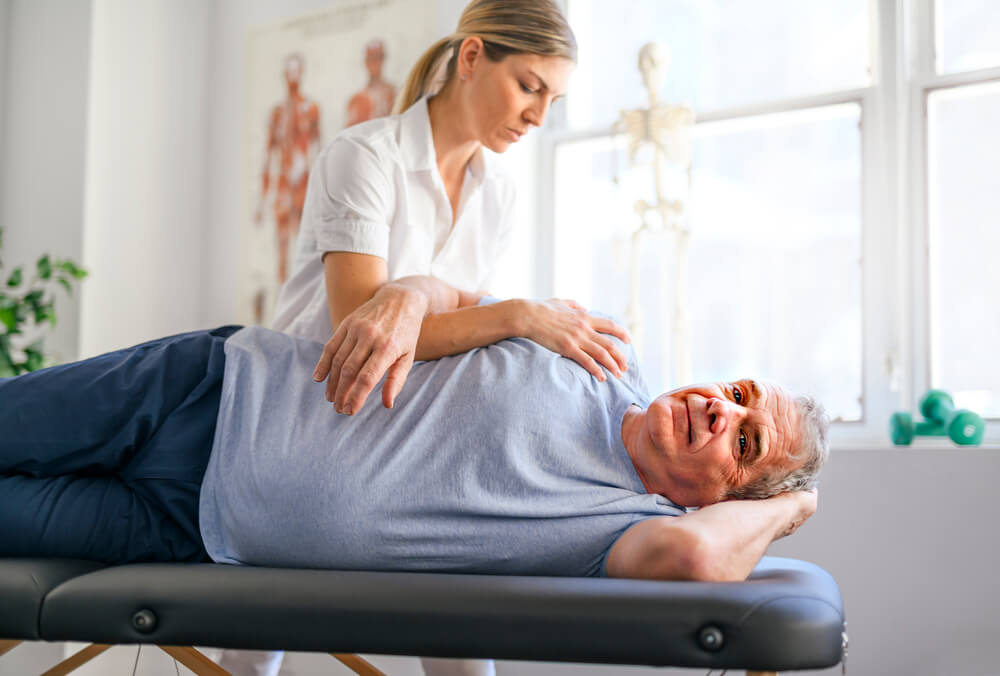
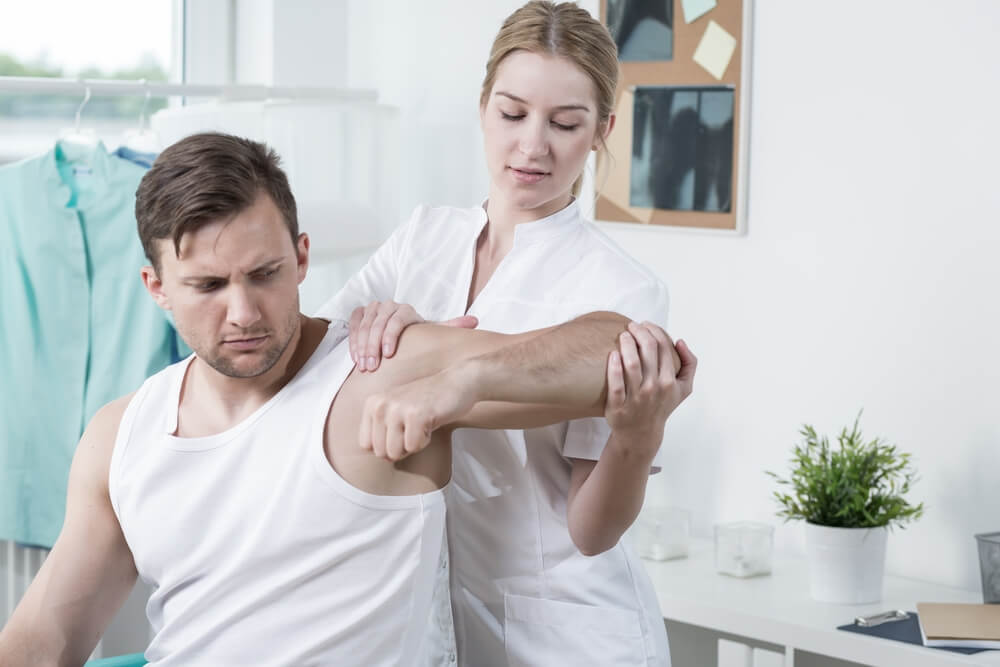
    1. Manual therapy — A physical therapist may use manual therapy methods on the soft tissue and joints to decrease inflammation, improve range of movement and lessen pain. A physical therapist may utilize several manual physical therapy methods based on the evaluation before treatment starts.
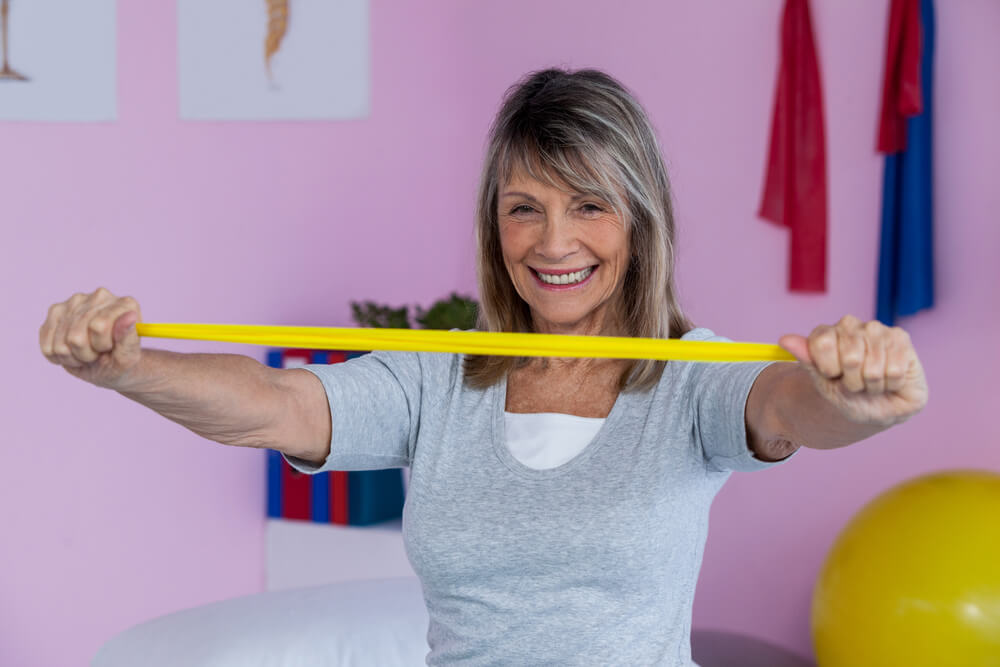
    1. Range-of-motion exercises — These exercises aim to help you develop a better range of motion in your affected joint. This may be achieved through active, assisted or passive range-of-motion exercises. Your physical therapist can create a unique combination of these exercises intended to help your joints move much better and cut pain.

    Find effective physical therapy for shoulder pain after surgery at Peak Performance

    Are you looking for physical therapy treatment to improve the recovery of your shoulder? Physical therapists can treat your shoulder pain at Peak Performance Physical Therapy. A free screening can be performed to determine the cause of your shoulder pain. The therapists at our clinic can also formulate a customized physical therapy plan for you that will reduce your pain and prevent it from returning.

    Please contact our staff if you are experiencing shoulder pain for more information or to schedule an appointment with our team.
  • Is physical therapy after rotator cuff surgery painful?

    Is physical therapy after rotator cuff surgery painful?

    Anytime someone injures their rotator cuff or has surgery on it, they can expect a certain amount of pain. One of the primary goals of surgery and physical therapy is to help people treat their rotator cuff pain. Of course, surgery can lead to pain even after it’s over. But what about physical therapy? Is physical therapy after rotator cuff surgery painful? 

    Four things you should know about physical therapy after rotator cuff surgery and pain

    “Physical therapy is painful after rotator cuff surgery.” That may be the rumor that you’ve heard, and it may be keeping you from going to post-surgical rehab. However, this rumor is exactly that for most people: a rumor. The fact is that research shows physical therapy is up to 92% effective at helping people heal after a rotator cuff injury. Here are four other things you should know about pain and physical therapy after rotator cuff surgery: 

    1. It’s not designed to be painful — There is almost always some discomfort when moving a healing rotator cuff. This is often true even after you’re ready to start physical therapy. However, physical therapy after rotator cuff surgery isn’t designed to be painful. If you are feeling pain, you should let your physical therapist know immediately. 
    1. Physical therapists will check in with you to see if you’re in pain — Even if you don’t say you’re in pain, your physical therapist will still check. They may ask you to tell them if you have pain while you’re working with them. In addition, your physical therapist may ask you to keep track of any things you do at home that trigger pain. Even if they aren’t physical therapy related. 
    1. You can and should stop any technique that leads to pain — Your physical therapist doesn’t want you to keep doing something that’s painful. That’s one reason why you can and should stop doing any technique or movement that is overly painful. Keep in mind: A little discomfort is often normal; severe pain is not. 
    1. Physical therapists can modify your treatment plan to reduce risk of pain — You may be worried about not using a painful physical therapy technique. But you shouldn’t be. Physical therapists have many techniques at their disposal. This means they can often substitute a different technique for the painful one. Your clinician can also modify specific exercises or techniques to help reduce the level of discomfort they cause. 

    Physical therapy can reduce pain after rotator cuff surgery at Franklin Rehab

    Keen to find physical therapy after rotator cuff surgery that is designed to ease pain? Our team at Franklin Rehabilitation is primed to help you find what you’re looking for. We offer free screenings that can assess your pain level before you begin your post-surgical rehab. Our clinicians are also experienced at creating personalized rehab plans for each patient, and these plans are designed to: 

    • Reduce pain. 
    • Speed up healing. 
    • Improve shoulder flexibility and function.
    • Slash your risk of future rotator cuff injuries. 

    Contact our team today for more information about our post-surgical rehab services or to schedule an initial appointment to start getting our help after surgery.

  • How long is physical therapy after rotator cuff surgery?

    How long is physical therapy after rotator cuff surgery?

    A rotator cuff tear sounds like it should send people scurrying to meet with their doctor, but you might be surprised to hear that many people have rotator cuff tears and don’t even know it. One medical study reports that 34% of the people surveyed had a rotator cuff tear but no symptoms. 

    Tears that cause mild to moderate symptoms are often successfully treated with physical therapy and other nonsurgical treatments. Studies show that the success rate of physical therapy may be as high as 92%. Yet there are some people who may require surgery for their rotator cuff tear. These people may be wondering, how long is physical therapy after rotator cuff surgery going to take? A physical therapist can help you answer this important question. 

    Just how long is physical therapy after rotator cuff surgery likely to take? 

    There will be plenty of hurdles for you to get over once you have rotator cuff surgery. Shoulder pain will likely be one of them. Another common challenge is how long physical therapy and general recovery after rotator cuff surgery is likely to take. There are many steps that your physical therapist may take during your shoulder’s recovery process. Generally, these steps will fall into one of the four basic rotator cuff surgery recovery stages. These stages include: 

    1. Stage 1: Passive motion.

    This stage lasts from immediately after your surgery to about six weeks after surgery. During this stage, your physical therapist will use their hands to move your arm and shoulder. This movement can help ease tension and pain, but it also keeps you from straining the healing rotator cuff muscles. 

    1. Stage 2: Active motion.

    Recovery stage 2 typically lasts from six to 12 weeks following your surgery. Your physical therapist will encourage you to move your shoulder and arm on your own at this point. However, they will not apply any resistance during these movements. 

    1. Stage 3: Strengthening.

    Stage 3 adds resistance to the active movements you did in stage 2. Your physical therapist may also introduce other strengthening techniques at this point. Typically, stage 3 of your recovery will last from about three months post-surgery to about four months post-surgery. 

    1. Stage 4: Return to full activity.

    So, here is the final answer to the question, “How long is physical therapy after rotator cuff surgery likely to take?” It can take four to six months of physical therapy to return to full activity. 

    Border TS can help you minimize how long physical therapy after rotator cuff surgery is going to take

    Want to decrease how long physical therapy after rotator cuff surgery is going to take? That’s only natural. Our Border Therapy Services physical therapists are eager to help minimize your post-surgical recovery time. One way we can do so is by creating a personalized pre-surgical rehab plan for you. This plan will work with you before surgery to reduce pain and prepare your injured shoulder for surgery. Often, putting this work in before surgery helps reduce your post-surgical recovery time. In addition, our physical therapists can build you a customized post-surgical recovery plan that’s tailored to your specific needs and that can help you recover faster. 

    Contact our team today for more information about our pre- and post-surgical rehab services or to schedule an initial appointment. 

  • When should I start physical therapy after rotator cuff surgery?

    When should I start physical therapy after rotator cuff surgery?

    The answer to the question, “When should I start physical therapy after rotator cuff surgery?” is slightly different for every patient. However, many patients begin their post-surgical physical therapy about seven to 10 days after surgery. As for what is involved in physical therapy after rotator cuff surgery, there are three basic stages that you’re likely to go through. 

    [maxbutton name=”Start Your PT Journey Today”] [maxbutton name=”Call Us”]

    Three basic stages of physical therapy after rotator cuff surgery

    It’s important to understand that what is involved in physical therapy after rotator cuff surgery tends to vary from patient to patient. Also, even the stages we are about to discuss can overlap somewhat. That being said, post-rotator cuff surgery rehab typically goes through three stages: 

    1. Passive movement — About seven to 10 days after your surgery, you should have your first physical therapy session. Part of your session will involve your physical therapist checking to see how your healing is progressing. They may also start helping you through some passive movements. 

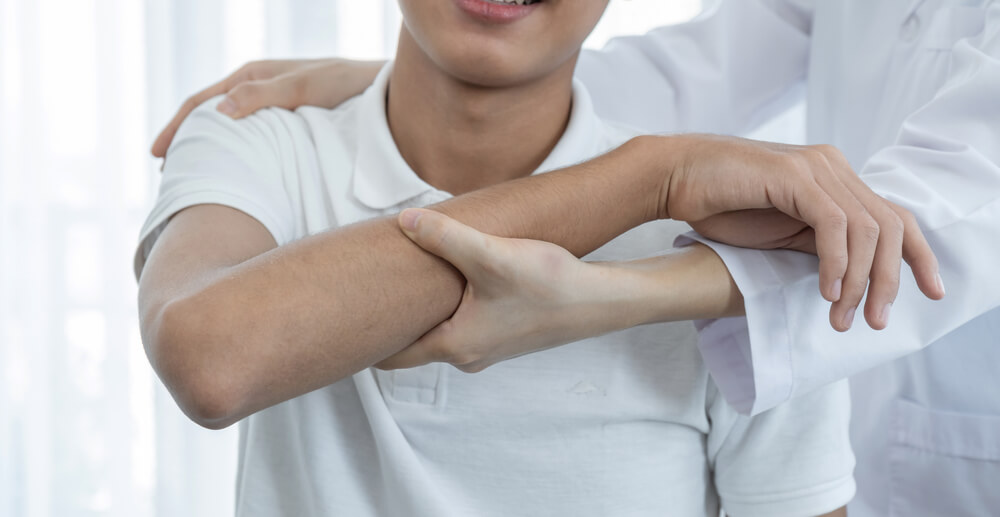
    For instance, your clinician may use a manual therapy technique called joint mobilization. This technique involves the clinician using their hands to move your shoulder through as much of its range of motion as possible without any assistance from you. The goal is to help stretch your shoulder, reduce pain and improve blood flow to it without putting any strain on your healing rotator cuff. This stage of your recovery tends to be about six weeks long. 

    1. Active movement — Once your healing has progressed far enough, you will move into about six weeks of active movement. Active movement is different from passive movement because you’re actually moving your shoulder yourself. However, you aren’t doing any of the movements with resistance. It’s often at this stage where your physical therapist will give you a series of therapeutic exercises to do at home. You should be sure to let them know if any of the movements are causing increased shoulder pain. 
    1. Strengthening — As you reach about the 12-week mark, you will enter the third phase of physical therapy after rotator cuff surgery. This is the strengthening stage. It can also be the longest of the recovery stages you’ll go through. In most cases, it can take a total of four to six months to get through all three recovery stages and return to normal daily activities. However, some patients don’t reach this goal until a year or more has passed. 

    You’ll start this recovery phase by adding light resistance to your active movements. Often, this resistance is provided by light weights or resistance bands. Other physical therapists may have you do aquatic therapy to take advantage of the natural resistance that water offers. Your physical therapist will then track your progress and gradually add resistance over time. They can continue to do so until you reach your highest possible level of function. 

    Find experienced partners for your physical therapy after rotator cuff surgery at Excel PT

    Your physical therapy after rotator cuff surgery is going to take a while, so it’s vital that you find an experienced and diligent partner to help you through rehab. Our Excel Sports & Physical Therapy team is ready and willing to partner with you for your entire recovery process. You can begin by getting to know us and preparing your body for surgery with the pre-surgical rehab we offer. We can also help you recover after surgery. Our physical therapists can build you a personalized rehab plan that’s designed to: 

    • Reduce pain. 
    • Improve shoulder range of motion. 
    • Increase your ability to perform normal activities. 
    • Lower your risk of reinjury. 
    • Speed up your overall recovery process. 

    Request an appointment or call us today at Affton, North O’Fallon,  St. Louis, Creve Coeur, Ellisville, Saint Peters, O’Fallon, Saint Charles, Warrenton & Wentzville, MO centers.

    [maxbutton name=”Start Your PT Journey Today”] [maxbutton name=”Call Us”]

  • Is physical therapy the same thing as physical rehab?

    Is physical therapy the same thing as physical rehab?

    Physical therapy, physical rehab or rehabilitation, and physiotherapy. There are a lot of terms that are thrown around when people talk about treating musculoskeletal injuries or medical conditions, but do they all mean the same thing exactly? In the case of physical therapy and physical rehab, the answer is they aren’t exactly the same. 

    What is the difference between physical therapy and physical rehab?

    Physical therapy is a medical discipline that’s designed to do several specific things: It is designed to help people address impairments caused by injuries or medical conditions. Additionally, it is intended to help improve a patient’s functional ability and movement. For instance, physical therapy can help address the pain and reduced range of motion caused by a shoulder injury. 

    Physical rehab is the process of restoring your body to its original condition after an injury. Physical therapy is a major part of this process, but rehabilitation can also include other services such as: 

    • Occupational therapists.
    • Speech therapists. 
    • Psychologists. 
    • Clinical social workers. 
    • Psychiatrists. 

    Three benefits that physical therapy can offer

    Physical therapy can offer people a wide range of benefits. This is one reason why it’s so often included in the physical rehabilitation process. Let’s go back to our example of shoulder injuries. A few of the benefits physical therapy can bring to the rehab process for a shoulder injury include: 

    1. Educating you about your injury — Rehabilitating a shoulder injury tends to be more effective when you know more about your injury. Physical therapists can help you gain knowledge about your injury and the techniques they use to address it. This increased understanding can help you become a more active participant in your rehabilitation, which can improve its effectiveness. 
    1. Reducing your pain — Pain reduction is one of the primary goals of physical therapy. Pain tends to make it harder for you to give your whole attention to rehabilitation. Physical therapists can use soft tissue mobilization (STM) and other techniques to help reduce shoulder injury pain. One medical study found that patients who had a shoulder impingement had a 2.4-point drop in visual analogue scale (VAS) scores for pain after STM. 
    1. Decreasing your total time in rehab — Steady progress in treating your physical symptoms and movement deficits can be heartening. The positive feelings that physical therapy may lead to can increase your ability to tackle other aspects of your rehab. As a result, you may find that your total time rehabilitating is minimized. 

    Rehab Access offers physical therapy that can help your physical rehab process

    Are you looking for a team that can help you get the most out of the physical therapy portion of your physical rehab? Look no further than our team of physical therapists at Rehab Access Physical Therapy. Our team is ready to work closely with your other rehab professionals to address your injury or medical condition. Still not sure if we can help you? Let’s find out together during a free screening. 

    Contact our team today for more information about all the services we offer or to schedule your initial appointment with us.

  • How can you benefit from doing physical therapy after carpal tunnel surgery?

    After having surgery to remedy carpal tunnel syndrome, your body will begin healing. During this important time, you may experience pain, swelling and inflammation. This can make life difficult; it may put a damper on your daily life and make trivial tasks like putting your clothes on uncomfortable. Physical therapy can help reduce your symptoms and may help you heal faster. Post-surgical rehabilitation is a safe and effective form of physical therapy. It can help promote your recovery after having carpal tunnel surgery.

    Are you wondering if physical therapy can help you after carpal tunnel surgery? Learn about some benefits of physical therapy after having an operation. 

    Benefits of physical therapy after carpal tunnel surgery 

    Recovering from a surgery can be an uncomfortable experience. Physical therapists are there to help manage your post-op carpal tunnel symptoms and help promote a healthy recovery. Some of the goals of physical therapy after a carpal tunnel operation include:

    • Reduce pain, swelling, and inflammation around the wrist and hand.
    • Promote faster wound healing.
    • Minimize scar tissue.
    • Improve wrist range of motion and flexibility. 
    • Strengthen wrist and hand muscles.
    • Restore your functional mobility (your ability to move your wrist and hand during certain tasks like typing, using a phone, writing, etc.).
    • Educate you about ergonomic principles to prevent future wrist issues.
    • Improve circulation to the wrist and the hand.
    • Help to reduce the risk of post-surgical blood clots.

    Armor Physical Therapy is prepared to help you recover after carpal tunnel surgery 

    If you have had or are thinking about carpal tunnel surgery, consider physical therapy afterward. There are numerous physical therapy techniques that can benefit you and help promote your recovery. Our team at Armor Physical Therapy can help you reduce the pain you feel after having an operation. We can also help restore any lost flexibility in your wrist or hand. We are prepared to build you a personalized treatment plan to help alleviate your postoperative pain and to strengthen your wrist and hand.

    Contact our team today for more information about how we can treat you after carpal tunnel surgery or to schedule an initial appointment. 

  • Two exercises you might do in physical therapy after scoliosis surgery

    Two exercises you might do in physical therapy after scoliosis surgery

    Often, medical professionals will treat scoliosis with physical therapy and other treatments before opting for surgery. However, some patients may decide to have surgery for their scoliosis. 

    Scoliosis is a spinal condition, and it occurs when your spine develops a sideways curve. This condition often affects children, yet it’s also found in older adults. One medical study reveals that 68% of the people over 60 had scoliosis. The American Association of Neurological Surgeons reports that only about 33,000 people have scoliosis surgery annually. 

    If you do require scoliosis surgery, physical therapy can be helpful afterward. One technique that scoliosis surgery recovery plans often use is therapeutic exercises. Here are two exercises your physical therapist may have you do following your surgery: 

    Standing lat stretch

    Purpose: This physical therapy exercise is designed to improve lat muscle flexibility after scoliosis surgery. 

    How to do the standing lat stretch: 

    1. Stand near your kitchen sink. 
    2. Straighten your arms and grab onto the front side of the sink with an overhand grip. You can also use a stable piece of furniture or a banister for this stretch. 
    3. Slowly squat down while keeping your neck and head as straight as possible. 
    4. Stop when you feel a stretch in your lats. 
    5. Hold this stretch for eight to 10 seconds. 
    6. Rest for a few seconds.
    7. Repeat the stretch until you’ve done it three to five times. 

    Standing low row

    Purpose: This physical therapy exercise can help improve lat strength after a scoliosis surgery. 

    How to do the standing low row: 

    1. Loop an exercise band around the handle of a closed door. 
    2. Grasp the ends of the band, and stand far enough away from the door that the band has no slack with your feet shoulder width apart. 
    3. Hold your upper arms close to your sides.
    4. Bend your elbows so that they form a 90-degree angle. 
    5. Slowly tighten your lats and pull your elbows straight backward until you feel a strong contraction. 
    6. Hold this contraction for two or three seconds. 
    7. Slowly allow your arms to return to the starting position. 
    8. Repeat the exercise until you’ve done five to 10 repetitions. 

    Find effective physical therapy after scoliosis surgery at Franklin Rehab

    Seeking physical therapy that can benefit you after scoliosis surgery? Our team at Franklin Rehabilitation is primed to help you find the care you’re looking for. We offer post-surgical rehab for many different types of surgery, and our physical therapists are adept at building personalized therapy plans designed to meet your post-surgery needs. Even better, we offer pre-surgical rehab that can benefit you during and after your surgery. 

    Contact our team today for more information about our surgical rehab services or to schedule an initial appointment.

  • Four ways physical therapy can help after your open heart surgery

    Four ways physical therapy can help after your open heart surgery

    Physical Therapy After Open Heart Surgery

    People with severe blockages or narrowing of the coronary arteries often require open heart surgery. This procedure is also called heart bypass surgery or a coronary artery bypass graft. 

    There are many Americans who undergo open heart surgery; one source reports that more than 900,000 cardiac surgeries are done in the U.S. every year. After such an invasive surgery, physical therapy is key to helping patients recover as well as they possibly can. 

    Physical therapy that’s done after open heart surgery and other cardiac procedures is called cardiac rehab. There are many reasons why patients should consider using this service after their surgery. 

    Physical therapy after open heart surgery can offer these four benefits: 

    1. Helping you maintain sternal precautions — Open heart surgery requires that a large incision be made in the middle of your chest. This is known as a sternal incision. Your surgeon will provide you with a list of precautions you’ll need to take to protect your sternal incision as it heals. Physical therapists can help you learn how to do normal daily tasks in ways that protect your healing incision. 
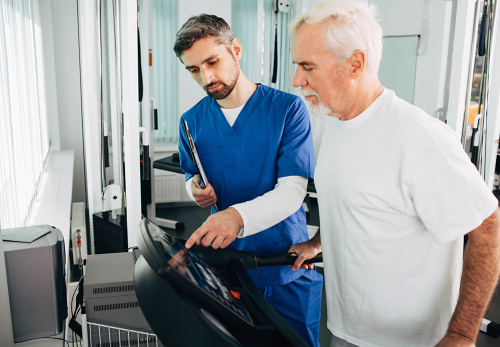
    1. Assessing your mobility — There’s no question that open heart surgery will affect your mobility. However, not every patient’s mobility is affected in the same way. One goal of physical therapy after open heart surgery is to assess how much your mobility has been affected. This assessment provides you with useful information and a beginning point for the remainder of your rehab. 
    1. Improving exercise tolerance — Physical therapists can also build you a customized, multiphase recovery plan designed to improve your exercise tolerance. In turn, meeting this goal can help improve your ability to do normal daily activities. Some methods that your physical therapist may use to improve your exercise tolerance include: 
    • Gentle cardiovascular exercise
    • Flexibility exercises
    • Strengthening exercises
    1. Showing you how to monitor yourself — There are certain factors that you’ll need to learn to monitor on your own after open heart surgery. For instance, you’ll need to learn how to self-monitor your:
    • Heart rate
    • Symptomatic response to exercise
    • Rating of perceived exertion

    Physical therapists can help you learn how to self-monitor each of these important factors. 

    Find effective physical therapy after open heart surgery at Back in Motion

    Keen to find top-notch physical therapy you can use after your open heart surgery? Our team at Back in Motion Physical Therapy offers post-surgical rehab that can fit the bill. The plans we create are customized to fit the surgery you’ve had and your body’s unique response to that surgery. In addition, we offer pre-surgical rehab services that can help you better prepare your body for surgery. 

    Contact us today for more information about how we can help you with cardiac rehab or to schedule an initial appointment. 

  • Why should you bother with physical therapy after foot surgery?

    Why should you bother with physical therapy after foot surgery?

    A serious car accident. A heavy object falling on your foot. Playing sports. Every one of these factors can lead to a serious foot injury that requires surgery to heal properly. 

    There are many serious foot injuries that often need surgery. Some of these include serious foot fractures, muscle injuries and dislocations. It’s estimated that $7.6 billion was spent in the U.S. on foot surgeries to address these and other issues over a 10-year period. 

    People who have foot surgery might be wondering why they should bother to have physical therapy afterward. There are many reasons why foot surgery patients should use post-surgical physical therapy. 

    Three reasons to have physical therapy after foot surgery: 

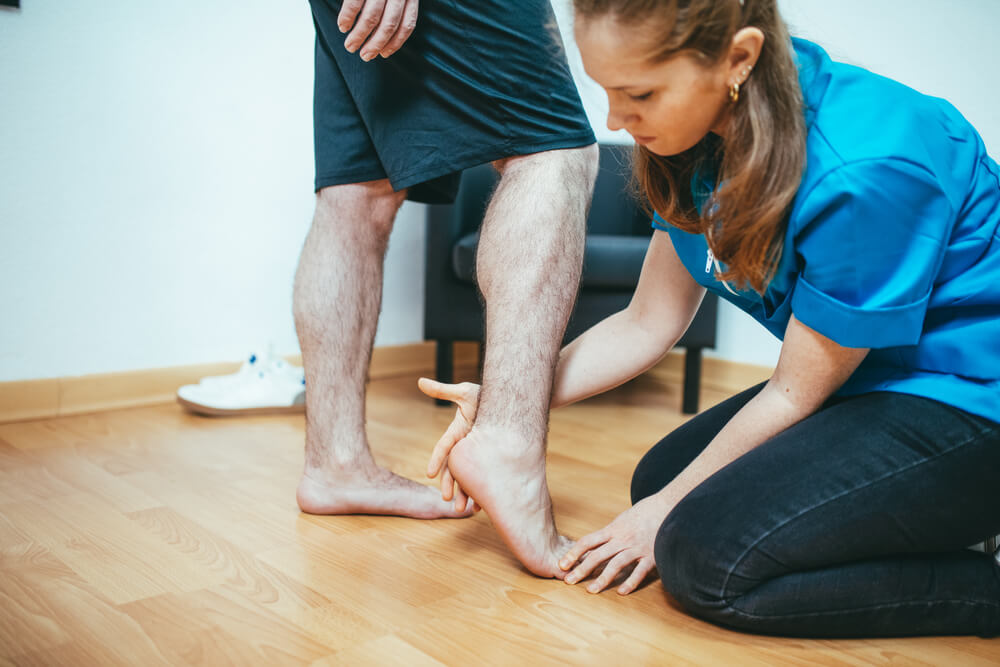
    1. You’ll need to rebuild muscle strength — There are 19 muscles in each of your feet, and there are another 10 muscles in the lower legs that help move and position your feet. Many of these muscles could be cut or damaged during a foot surgery. This can leave them weak. Physical therapists can prescribe therapeutic foot exercises that can help rebuild your foot muscle strength. 
    1. You may have scar tissue to address — Scar tissue can develop in your foot as it heals from surgery. Helping to address scar tissue buildup is one reason to use physical therapy after foot surgery. Physical therapists have several techniques that can help break up scar tissue in your foot. 


    For instance, they can use a manual therapy technique called soft tissue mobilization. This is often used for lighter concentrations of scar tissue. Tacking tougher scar tissue can be done using instrument-assisted soft tissue mobilization (IASTM). 

    1. You’ll need to redevelop your balance — A foot that’s recovering from surgery will have a tough time helping you keep your balance. For one thing, it may be less flexible. As previously mentioned, your foot muscles may also be weaker. Your physical therapist can include balance training in your recovery plan. This training is designed to help you redevelop good balance. 

    Peak Performance offers physical therapy for before and after foot surgery

    Determined to find effective physical therapy for after your foot surgery? That’s one type of care you’ll find at Peak Performance Sports & Physical Therapy. Our team excels at building personalized post-surgical rehab programs to help people recover from many types of surgery. Also, we can also help you prepare your foot and lower limb for surgery with pre-surgical rehab. 

    Contact us today for more information about our surgery-related PT services or to schedule an initial appointment. 

  • Why you may need physical therapy after bunion surgery

    Why you may need physical therapy after bunion surgery

    Bunion surgery is typically a minor procedure, and for years, patients were left thinking they were fine without physical therapy after surgery. While bunions do respond well to surgery and recover with limited weight bearing afterward, physical therapy offers benefits that can help improve the speed and quality of your recovery.

    Why you should schedule physical therapy after bunion surgery

    Physical therapists are licensed health care professionals who specialize in treating chronic conditions and injuries and helping people recover from a wide range of surgical procedures.

    Surgery is invasive. The incisions made to access the surgical site cause damage to the muscles and soft tissue. This is one of the main reasons you experience pain and limited range of motion for weeks or months after a surgery.

    Although bunion surgery is located in a small part of your body, it still does damage to your muscles and soft tissue. Part of recovery is learning how to walk keeping weight off your toe, but with physical therapy, your recovery can also include:

    • Broken down scar tissue — Scar tissue forms along incision areas after a surgery. This is hard tissue that can be painful and limit your range of motion. Physical therapists can use soft tissue mobilization techniques to help break down existing scar tissue and prevent the formation of new scar tissue.
    • Less pain — Soft tissue mobilization, gentle exercises and stretches can help improve muscular strength and flexibility around the surgical area, which helps reduce pain and improve your range of motion.
    • Improved balance — It may be difficult to balance while keeping weight off your recovering toe. Physical therapists can work with you to help you improve your balance and lower your fall risk.

    Visit Whatcom Physical Therapy today for physical therapy after bunion surgery

    Have you recently had bunion surgery and want to improve the speed and quality of your recovery? Our team at Whatcom Physical Therapy is here for you. Contact our team today for more information about post-surgical physical therapy or to schedule an initial appointment.

  • What to expect if you have no physical therapy after knee replacement surgery

    What to expect if you have no physical therapy after knee replacement surgery

    Pain and loss of function from severe osteoarthritis. Severe bone fractures in the knee. These are both reasons why someone might choose to have a total knee replacement. 

    Total knee replacements involve removing the damaged cartilage and bone and replacing them with an implant. This surgery is a common one in the U.S. In fact, every year there are about 600,000 knee replacements performed on Americans. These surgeries also have a high success rate, since research shows that 82% of implants are still functioning after 25 years. 

    However, there are issues that patients can face after knee surgery. Choosing to do no physical therapy after a knee replacement can make post-surgical problems more likely.  

    Three problems not doing post-knee replacement physical therapy can lead to

    There are three main issues that patients can face after total knee replacements. The likelihood of developing them can increase if you decide not to do physical therapy after your knee replacement. The issues you’re more likely to face include: 

    1. Chronic pain — Most patients experience pain after a knee replacement. But some patients continue to experience pain long after their surgery is over. In fact, researchers report that about 20% of patients are still feeling moderate to severe knee pain up to five years after their knee replacement. 
    1. Long-term range-of-motion loss — As with pain, it’s normal to lose some knee range of motion (ROM) while your knee heals after a knee replacement. Yet there is a chance that this ROM loss can continue far longer than it should. One medical study reveals that up to 34% of patients have long-term ROM loss after their knee replacement. 
    1. Extended decreases in knee function — Your knee replacement is intended to restore function. However, this surgery might not completely restore your knee function. It can even lead to a slight decrease in function if there are healing complications. A study shows that up to 30% of the knee replacement patients surveyed still had reduced function after their surgery.

    Excel PT can help you avoid the complications of not doing physical therapy after knee surgery 

    Although these complications can affect any patient after a knee replacement, your risk of developing them can be higher if you don’t do physical therapy after your knee replacement. Our Excel Sports & Physical Therapy physical therapists can help you by developing a post-surgical rehab plan designed to help you avoid complications like those above. 

    Our team will start by recommending that you have pre-surgical rehab. This type of therapy is designed to prepare your body for surgery. It can also help make your recovery process smoother. Additionally, we can evaluate your knee after surgery to determine what issues need to be addressed. Then, our physical therapists can build you a personalized rehab plan that may include therapy methods like: 

    Contact our team today for more information about our pre- and post-surgical rehab services or to schedule your initial appointment. 

  • Five reasons you need physical therapy after knee surgery

    Five reasons you need physical therapy after knee surgery

    While surgery is an option that shouldn’t be undertaken lightly, knee surgeries can often help treat a wide range of conditions and injuries. Yet your knee surgery is only as good as its recovery process. 

    Physical therapy is an option that can help ensure that your post-knee surgery recovery is as fast and effective as possible. Unfortunately, some people might think physical therapy isn’t a big help. But there are many reasons that people need to have post-surgical rehab from a physical therapist. 

    You should consider post-knee surgery physical therapy for these five reasons

    There are five primary reasons that you should consider doing physical therapy after your knee surgery: 

    1. Reduces pain — Even minimally invasive surgeries can still cause some soft tissue damage. This damage can result in post-operative pain. One study found that a multimethod therapy plan helped decrease pain after knee surgery. This study reveals that dry needling and therapeutic exercises helped reduce pain scores by 36.3 points after four sessions. 
    1. Increases range of motion (ROM) — Your ability to extend and bend your knee can be affected by a surgical procedure. Fortunately, physical therapy can help improve post-surgical ROM. A study on total knee replacement patients shows that therapeutic exercises helped increase knee ROM by 2 degrees after just one session. 
    1. Decreases knee stiffness — Soft tissue healing often leads to scar tissue, which can make your knee stiff. Medical researchers report that four physical therapy sessions helped reduce stiffness scores by nearly three points. 
    1. Improves knee function — One major goal of knee surgery is to restore function to your knee. Physical therapy can help ensure that this goal is met. A medical study reports that four sessions of post-surgical therapy led to an almost 17-point improvement in knee function. 
    1. Increases your ability to walk — How well you can walk after surgery is a good test of the surgery’s success. Your physical therapist can help you regain your ability to walk as fast as possible. In fact, a post-surgical rehab study found that it helped increase six-minute walking test distances by 33.3 meters (36.4 yards) in just four sessions. 

    Find the physical therapy you need after knee surgery at Excel PT

    Ready to start getting these and other benefits from physical therapy after knee surgery? Our therapy specialists at Excel Sports & Physical Therapy are ready to help you. We can evaluate your knee to determine the post-surgical issues you’re facing. Then, our physical therapists can create an individualized rehab plan designed to offer the five benefits above. 

    Contact our team today for more information about our post-surgical rehab services or to schedule an initial appointment. 

When Was Your Appointment?

We recently changed bill pay providers. Please click the button for the date of your appointment to be directed to the correct online payment portal.