Please ensure Javascript is enabled for purposes of website accessibility

Category: Post-surgical Rehab

  • Here’s what can happen if you don’t do physical therapy after having knee surgery

    Here’s what can happen if you don’t do physical therapy after having knee surgery

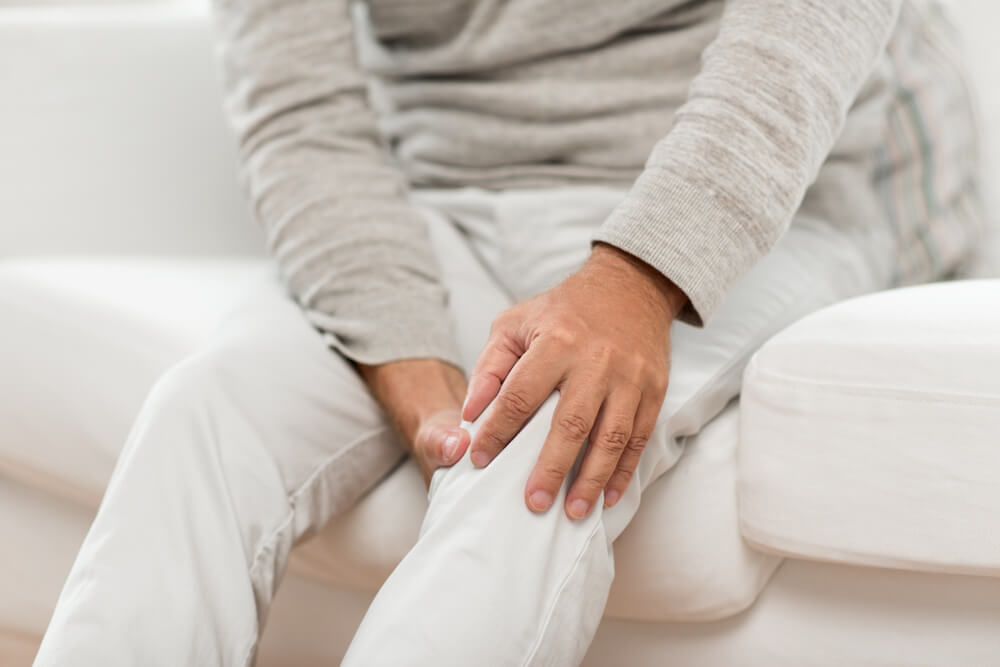
    Next to the procedure itself, the recovery process from knee surgery is one of the most important parts of your treatment journey. Any procedure requires some degree of tissue disruption and an incision, both of which require healing. Additionally, patients who have been hobbled with knee pain for a long period of time often need to relearn basic knee function. This is especially true if a more extensive procedure such as a knee replacement has been performed. 

    Physical therapy and rehabilitation are very important to this process, and not following through with your program can increase the risk of negative outcomes.

    We’ve prepared the following helpful guide to share just how important physical therapy after knee surgery is. We encourage you to reach out if you have any questions or want to learn more as you read this over. 

    Why you should commit to physical therapy after knee surgery

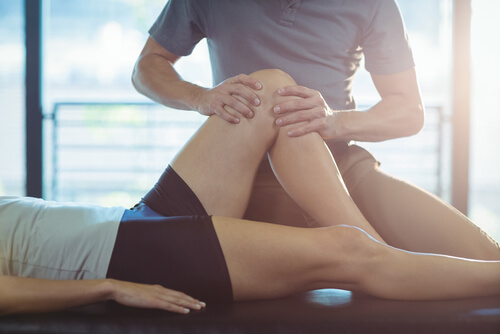
    The purpose of post-surgical physical therapy is to help along the healing process and take steps to regain function. Therapists can use exercises, posture training, manual therapy and other methods to accomplish this. 

    On the flip side, avoiding or not fully committing to your rehabilitation program can hinder the recovery process. It’s important to get moving and functioning as soon after the procedure; otherwise, the following can occur: 

    • Decreased blood flow to the area can negatively affect healing at the surgical site.
    • Muscles can weaken and atrophy if they go too long without use.
    • Not learning or relearning proper movement can put stress on the knees. 

    In addition to physical therapy, you should follow your post-surgical instructions regarding incision care, medications and resuming normal activities.

    Rehab Access — your post-operative recovery experts

    Whether you’ve just scheduled knee surgery or you are in the recovery process, the Rehab Access team can help you get back to action. We’ll provide a personalized evaluation to develop a custom-tailored physical therapy plan that is right for you. 

    To learn more and schedule your initial appointment, reach out to one of our representatives today.  

  • What happens if I avoid physical therapy after knee surgery?

    What happens if I avoid physical therapy after knee surgery?

    An article published by the American Academy of Orthopedic Surgeons reports some interesting information about knee surgeries. One of these interesting tidbits is that there are more than 600,000 total knee replacement surgeries being performed per year in the U.S. If you have recently had knee surgery, you may have been encouraged to seek physical therapy post-surgery. However, some people might feel like physical therapy is a waste of time. In fact, there are several issues that can plague you if you avoid physical therapy after knee surgery. 

    1. Longer recovery time

    One issue you can run into if your don’t do physical therapy after knee surgery is your recovery can take longer. Knee surgery can lead to muscle weakness if patients aren’t moving around, and without physical therapy, you might not be moving the knee enough. Also, surgery on the knee can lead to nerve issues that make it harder to move the knee. Physical therapists can help increase knee muscle strength, and they can also show you how to do exercises that can help promote normal nerve function. By helping you deal with these issues, physical therapy can help you recover more rapidly after your surgery. 

    1. Greater post-surgical pain

    After you have knee surgery, there is going to be some pain, but not doing physical therapy after knee surgery can cause you to have more pain. Many people instinctively feel that moving their knee less after surgery is the best way to decrease pain. However, this can actually have the opposite effect. Lack of movement leads to tight muscles, and tight muscles put more tension on the knee. In turn, this increased tension can cause you to have more post-surgical knee pain. 

    1. Lower joint mobility

    Improving joint mobility is one of the main goals of knee surgery, but not doing physical therapy after knee surgery might mean a longer road to reach this goal. Again, the issue is that not moving your knee in therapeutic ways causes joint-supporting muscles to tighten. The tightness of your muscles can make it harder to bend and flex your knee, and if this tightness isn’t addressed, it could mean your knee is never as mobile as you want it to be after surgery. 

    Border Therapy Services can help you find effective physical therapy after knee surgery

    At Border Therapy Services, we offer effective and personalized post-surgery therapy plans. We’re able to personalize our plans for two reasons: We perform free screenings to gather information about each patient’s condition and needs. We also have many therapy techniques at our disposal, and this allows us to pick the techniques that will be most effective for you. Some of the benefits that our post-knee surgery therapy plans are designed to provide include: 

    • Reduced pain
    • Improved joint mobility
    • Increased muscle strength and flexibility
    • Shorter recovery time

    Contact our team today for more information or to schedule an initial appointment to start your physical therapy after knee surgery. 

  • Post-knee surgery therapy: Two reasons you need it

    Post-knee surgery therapy: Two reasons you need it

    Total knee replacement surgery has steadily grown in popularity since it was introduced in 1968. According to the American Academy of Orthopedic Surgeons (AAOS), more than 680,000 total knee replacements were performed in 2014. This number has only continued to grow since then. There are certain steps that have become common in post-knee surgery recovery plans, and one of the most important of these is physical therapy. However, some people might decide not to do physical therapy after knee surgery. If you do, it can lead to two serious consequences. 

    1. Less joint support


    One consequence of not doing physical therapy after knee surgery can be a lower level of joint support. Before knee surgery, patients may be living with a lot of pain. Understandably, the pain makes people reluctant to move, and this lack of movement can weaken leg muscles that support the knee joint. 

    If you avoid physical therapy after your surgery, it’s likely that these muscles will remain weak. In turn, weak muscles aren’t able to provide as much support to your knee. The lack of support can make it harder to get moving again after surgery, and it can also slow down the speed of your healing. Most worryingly, decreased knee support can lead to more pain after surgery. 

    1. Implants wear out faster


    The weak muscles that result from avoiding post-knee surgery physical therapy can also have a negative effect on your implant. A total knee replacement is designed to replace the ends of the tibia and the femur with specially designed implants. In some patients, the kneecap might be replaced, too. One source claims that most of these implants are designed to last at least 25 years. 

    Weak muscles from not doing physical therapy can reduce  the life of your implants. The lack of support can put more pressure on the implants, and this can cause them to wear out more rapidly. Also, weak supporting muscles can allow the knee to become misaligned. In turn, misalignment can lead to uneven wearing of the implant surfaces. Ultimately, weak supporting muscles could lead to such severe wearing that you must have another surgery to replace the worn-out implant. 

    Find post-knee surgery physical therapy at Whatcom Physical Therapy

    At Whatcom Physical Therapy, we want to encourage people to come to physical therapy after knee surgery. One way we do so is by offering free screenings to help patients detect pre- and post-surgical knee issues. We also provide personalized post-surgical rehab plans, and these plans may include beneficial therapy techniques such as: 

    We even offer pre-surgical therapy that can help build up knee muscles and decrease pain before surgery. 

    Contact our team today for more information or to schedule an initial appointment to start your post-surgical rehab.

  • Three phases of physical therapy after rotator cuff surgery

    Three phases of physical therapy after rotator cuff surgery

    The rotator cuff is a shoulder structure that’s made up of four muscles and tendons. This part of your shoulder is vital for moving your arm, and it also helps keep the upper arm bone firmly seated in the shoulder socket. When the rotator cuff is torn, surgery may be required to repair it. After your surgery, physical therapy can help your shoulder heal, and physical therapy after rotator cuff surgery tends to fall into three distinct phases. 

    1. Passive movement

    The first phase that patients will encounter when doing physical therapy after rotator cuff surgery is passive movement. Passive movement is when you’re letting movement of other parts of the body move your shoulder. This type of movement also relies on the downward pull of gravity to move the shoulder. 

    For example, the pendulum swing exercise is a passive therapy exercise that’s often used for rotator cuff recovery. To do this exercise, you’ll place the hand of the unaffected arm on a table or flat surface. Using this hand for support, you’ll then bend over so that the affected arm is hanging straight down. Next, move your body back and forth or side to side. As you move, allow the affected arm to swing freely, but keep the movements small at first. 

    1. Active motion

    After the passive motion phase, your physical therapy after rotator cuff surgery can move on to the next phase, which is active motion. This type of motion requires that you use your shoulder and arm muscles to move your shoulder, and the exercises in the active motion phase of therapy are intended to help improve range of motion. 

    An excellent example of an active motion exercise is lying external rotation. Before beginning this exercise, you’ll need to lie down on your unaffected side, and you can do so on the floor or on your bed. Position your arm so that the upper arm is close to your side, and the forearm should be bent at 90 degrees with your hand resting on your stomach. 

    From this starting position, slowly raise your hand until it’s level with your upper arm. Make sure the upper arm stays close to your side during this movement. Hold this position for three to five seconds, and then slowly lower your hand back to the start position. Repeat this movement until you’ve completed eight to 10 reps, but make sure you stop if your shoulder starts to hurt. 

    1. Strengthening

    The third phase of physical therapy after rotator cuff surgery involves strengthening the shoulder muscles. In many cases, this is done using resistance band exercises like the resisted shoulder extension exercise. 

    To do this exercise, tie the resistance band securely to the doorknob of a closed door. Then, step back from the door with the band held in the hand of your affected arm. Your arm should be held straight down at your side, and there should be a slight tension on the band now. Once in this position, slowly pull the band backward until your hand is just past your hip and hold this position for two or three seconds. Then, slowly move your arm back to the start position with a controlled motion. You don’t want to let the band pull your arm forward. For best results, complete 10 to 15 reps as long as you can do so without pain. 

    Find post-rotator cuff surgery physical therapy at Armor Physical Therapy

    If you’ve recently had rotator cuff surgery in southwest Michigan, Armor Physical Therapy can help you recover after surgery. Our team is highly trained in therapy techniques such as: 

    We can combine these and other techniques to create a therapy plan that’s personalized to you. 

    Contact us today for more information or to schedule an initial appointment to begin your physical therapy after rotator cuff surgery. 

  • How long does post-surgical ankle rehab last?

    How long does post-surgical ankle rehab last?

    If you’re considering an ankle surgery, you may be wondering how long post-surgical ankle rehab lasts. Luckily, there’s an experienced physical therapy team that can answer your post-surgical rehab questions.

    At Rehab Access, we’ve worked closely with doctors in Gretna and Belle Chasse, Louisiana, and communities nearby for 20 years. During that time, our team has built great relationships with many of these doctors. This close relationship may benefit you when you need surgery. Our team will work closely with you and your doctor to build a personalized post-surgical rehab program, and our plans may reduce how long post-surgical ankle rehab takes because they’re designed specifically for your needs.

    Reasons we may be able to reduce how long your post-surgical ankle rehab takes

    If you’re worried about how long your post-surgical ankle rehab may take, you should consider working with our team at Rehab Access.

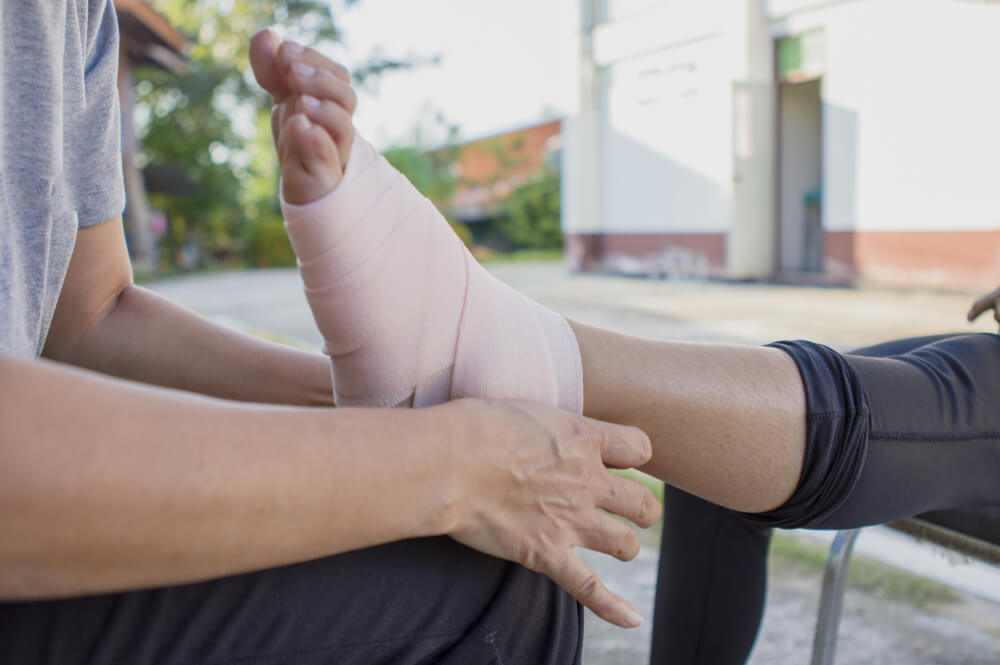
    Ankle surgery is typically performed for one of three reasons. It may be used to stabilize and promote healing in ankle fractures. Ankle surgery is also used to repair ankle ligaments that have become torn or detached. A third reason it’s used is to replace the ankle joint when it has been damaged by arthritis.

    Recovering from ankle surgery can take anywhere from two to six months, and the physical therapy used to aid your recovery is likely to take up about six to eight weeks of this time. There are many factors that can affect your recovery time after ankle surgery. For instance, the type of surgery and how long it lasts are two such factors. Another factor that may affect your recovery time is how well you plan for the period after your surgery.

    Some things you can plan before surgery that may decrease your post-surgery recovery time include:

    • Arranging for necessary medical assistance devices like crutches or a knee walker
    • Having someone to help you around the house
    • Learning how to use elevation and icing to relieve swelling and inflammation
    • Setting up your post-surgery physical therapy

    Our team is ready to create a physical therapy program for your post-surgical rehab. All you have to do to get our help is take one initial step before your surgery.

    Contact our team today for more information or to schedule an initial appointment.

  • What to expect after knee surgery

    What to expect after knee surgery

    You may not know exactly what to expect after your knee surgery, but one thing you shouldn’t skip is post-surgical physical therapy. Luckily, there’s a physical therapy team that can help you get the physical therapy you need following your knee surgery.

    Our therapy team at Rehab Access has been working with patients in the Gretna and Belle Chasse, Louisiana areas for the past 20 years. We have worked with patients after many types of surgery, so we are experienced in providing proven techniques that help restore strength and mobility to the body after a procedure. Come see us prior to your knee surgery so we can create a customized physical therapy plan that will walk you through exactly what to expect during your rehabilitation period, as well as give you the best possible outcome for recovery.

    Three benefits of using physical therapy after a knee surgery

    What you can expect after knee surgery varies greatly depending on if you seek out post-surgical physical therapy. The physical therapy practices we recommend after knee surgery are evidenced-based, which means they have been scientifically proven to help the body heal after surgery and to restore strength to the surgery site.

    While there are a number of benefits you can expect by regularly doing physical therapy after a knee surgery, here are three of the most common benefits our patients experience:

    •      Reduced muscular atrophy — Muscle atrophy is a condition where your muscles become smaller and weaker than normal. This condition is caused by not using your muscles for an extended period of time. This could become a problem for you if you don’t move your leg muscles for weeks after your knee surgery. That is why our physical therapy services focus on getting your muscles moving in a safe, restorative way after knee surgery. Our goal is to help improve your strength and reduce your risk of muscular atrophy.
    •      Limited risk of developing blood clots — Blood clots are gel-like clumps of blood, and they may cause serious problem, including death, if they travel to the wrong part of your body. One benefit of our physical therapy plan is that it focuses on reducing your risk of developing blood clots from staying stationary for too long. Our programs are designed to get you moving, which is ideal for reducing your risk of blood clots and other health factors after surgery.
    •      Lower risk of scar tissue developing — Excess scar tissue in your joint may cause your joint to tighten and lose its mobility. This can make it more difficult for you to walk, sit, and stand. However, we can build a therapy plan for you that may help to reduce the scar tissue in your knee after your surgery.

    Our team at Rehab Access recommends you set up your post-surgical therapy with us before you even have your surgery. We can be proactive about making sure you receive the right treatment for your postsurgical goals, and you can go into your procedure knowing what to expect for your recovery.

    Contact our team today for more information or to schedule an initial consultation.


  • Pre-surgical rehab helps patients recover in Byron Center, Michigan

    Pre-surgical rehab helps patients recover in Byron Center, Michigan

    It can be scary to be told that you need to have surgery to treat an injury or condition. Surgery is risky, and it can take you a long time to recover from it. Don’t be discouraged though if you’ve recently been told by your doctor that you need to have surgery. You can opt for pre-surgical rehab to help you prepare and have a better recovery.

    Pre-surgical rehab is a service offered at Advent Physical Therapy in Byron Center, Michigan. This service makes use of physical therapy techniques to help you recover faster from surgery and reduce your pain during recovery. Pre-surgical therapies are customized to the needs of the individual, but many will make use of:

    • Hands-on therapy
    • Massage
    • Stretches and exercises
    • Hot and cold therapy
    • Ultrasound and more

    Why you need pre-surgical rehab

    Pre-surgical rehab can help improve your recovery experience by:

    • Reducing your pain — Many pre-surgical rehab treatments include exercises and stretches to help the muscles and ligaments become stronger and more flexible. Strong and flexible muscles help improve your body’s ability to support itself to reduce pressure from the sensitive areas recovering from surgery. Plus, exercise increases blood flow, which delivers oxygen and nutrients to your recovering areas to promote faster healing and help manage pain.


    • Restoring your independence — Most people are weaker and less coordinated while recovering from surgery. Physical therapists can identify the tasks that will be more difficult while recovering and help you develop a pre-surgical rehab treatment plan to overcome these challenges, so you don’t have to depend as much on others for certain tasks like getting dressed.


    • Improving your recovery rate — Research shows that patients who have pre-surgical rehab tend to have shorter hospital stays than those who do not.


    Talk to your doctor or a physical therapist at Advent Physical Therapy about pre-surgical rehab and what it can do for you. Make sure you ask about post-surgical rehab too.

    Schedule pre-surgical rehabilitation at Advent Physical Therapy in Byron Center, Michigan

    Whether your surgery is near or far off, you can benefit from pre-surgical rehab. Please contact us today if you are ready to schedule an appointment and begin your journey toward a better recovery.


    Our Byron Center location:

    2373 64th St.

    Suite 2100

    Byron Center, Michigan 49315


    Monday, Tuesday, Thursday: 7 a.m. to 7 p.m.

    Wednesday: 7 a.m. to 5:30 p.m.


    Advent Physical Therapy serves patients from multiple clinics across west Michigan. Please visit our locations page if you would like to find another clinic more convenient for you.


  • Two habits of highly successful post-surgical rehab patients

    Two habits of highly successful post-surgical rehab patients

    The success of post-surgical rehab often rests with the work a patient puts into physical therapy. However, it can be hard to find the motivation to go to physical therapy after a procedure. After surgery, there can be a great deal of pain and discomfort. You may want to rest and relax, but it is important to get up and tp move as soon as you are medically cleared to do so to help speed up the recovery process. Rehab Access shares a couple of habits of highly successful post-surgical rehab patients.

    Ask questions

    It can be tempting when at a physical therapy session to just put your head down and get through it as quickly as possible. After all, you want to get done as quickly as possible and back to your daily routine. Asking questions may invite extra work or exercises the therapist may want you to do in your own time.

    The good thing about asking questions is that helps the physical therapist understand your treatment concerns. This will also help keep the patient and the therapist on the same page when it comes to treatment goals. Asking questions also shows you are engaged in your post-surgical rehab and are active in achieving your rehabilitative goals.

    Keep a journal

    While this habit may seem unorthodox, especially to patients who are not usually prone to writing, there are several benefits to keeping a treatment journal including:

    • Monitor and track progress of goals
    • Record questions or concerns you may have for the therapist
    • Helps cope with the stress and anxiety of recovering from surgery

    In addition to these benefits, you will also have a memento of your journey that you can look back on when facing a difficult time and remember what you have been able to overcome in the past.

    Post-surgical rehab with Rehab Access

    The physical therapists of Rehab Access are passionate about helping people with their post-surgical rehab goals and regain their pre-surgery quality of life. If you or a loved one is considering surgery in the near future, contact Rehab Access today to set up your initial appointment to discuss your treatment options.

  • Where to find pre-surgical rehab in Grand Rapids, Michigan

    Where to find pre-surgical rehab in Grand Rapids, Michigan

    You may be scheduled for surgery to treat an injury or physical condition if non-invasive treatments are not working. This might be discouraging because surgery is a risky procedure and the recovery is long and challenging. Don’t be discouraged though. Instead, you should check out pre-surgical rehab.

    Pre-surgical rehab helps your prepare for an upcoming surgery so you can be better equipped to overcome challenges such as loss of strength, mobility and coordination. It can be difficult to do a lot of things on your own while recovering from surgery, but pre-surgical rehab can help you maintain some of your independence and recover at a faster rate.

    Benefits of pre-surgical rehab

    Pre-surgical rehabs at Advent Physical Therapy’s East Paris Clinic in Grand Rapids, Michigan can help you have a better recovery by:


    • Reducing your pain — Physical therapy exercises, stretches and other techniques can help reduce pain by strengthening and stretching the muscles, ligaments and tendons. These provide your body with more structure to help reduce pressure off the recovering areas. Also, these exercises can improve your blood flow, which helps vital oxygen and nutrients get to the recovering areas of the body to promote faster healing and manage pain.


    • Restoring your independence — Since surgery can cause loss of strength, flexibility and coordination, it’s difficult to do normal daily tasks without assistance from others. Your physical therapist can identify what your recovery challenges will be and develop a pre-surgical rehab treatment plan to help you overcome these challenges and not have to depend on others as much.
    • Improving recovery rates — Research shows that patients who have pre-surgical rehab tend to have shorter hospital stays than those who do not.


    Pre-surgical rehab can be even more effective in improving your recovery when combined with post-surgical rehab. Together, these treatments make use of the following to help you recover faster and reduce your pain:

    • Hands-on therapy
    • Massage
    • Stretches and exercises
    • Hot and cold therapy
    • Ultrasound and more

    Schedule pre-surgical rehabilitation at Advent Physical Therapy in Grand Rapids, Michigan

    Are you scheduled to have surgery soon? Would you like help from a physical therapist in preparing for surgery to improve your recovery? Contact us today to schedule an appointment.


    Our East Paris location:

    4085 Burton St. SE

    Suite 100

    Grand Rapids, Michigan 49546


    Monday – Wednesday: 7 a.m. to 6 p.m.

    Tuesday – Thursday: 8 a.m. to 6 p.m.

    Friday: 7 a.m. to noon


    Advent Physical Therapy serves patients from multiple clinics across west Michigan. Please visit our locations page if you would like to find another clinic more convenient for you.


  • Three effective post-surgical physical therapy techniques

    Three effective post-surgical physical therapy techniques

    Patients will often begin their physical therapy within hours of the completion of an operation. Knee replacement patients are encouraged to take their first steps almost as soon as they regain consciousness. While not all recoveries will begin that quickly, it is important to the healing process to begin physical therapy as soon as you are medically cleared to do so. But you may have questions and want to know what to expect during rehab. Here are three common and effective physical therapy techniques you may encounter once you exit the operating room.

    Ice and heat with a TENS unit

    The TENS, or transcutaneous electric nerve stimulation, unit applies a mild electric current to a pair of electrodes attached to the skin. The primary benefit of this stimulation is it helps block the pain signal to the brain. When applied with heat, the electric current stimulates blood flow to the area. When paired with ice, it can help reduce swelling, pain and inflammation making the TENS unit very useful during physical therapy.

    IASTM technique

    The IASTM, or Graston, technique is a method is used to help break up scar tissue. When a patient is injured, scar tissue or adhesions can form which limit mobility and can slow down the healing process. Common injuries soft tissue injuries that cause the adhesions include:

    • Tennis elbow
    • Plantar fasciitis
    • Shin splints
    • Sprains

    The Graston Technique uses stainless steel instruments to apply pressure to the injured areas of the body to help release these adhesions.

    Manual therapy

    Manual therapy can include any hands-on treatment that can aid the body in recovery. Massage and trigger point therapy are the most common and relaxing techniques. But the physical therapist may also apply joint mobilization techniques to increase range of motion. In addition, soft tissue mobilization is used to help release scar tissue and adhesions around the muscle tissue. All of these techniques are designed to increase blood flow and improve range of motion to promote the body’s natural healing process.

    While these are some of the more common physical therapy treatments used post-surgery, Continuum Wellness offers a wide variety of specialized treatments to help you recover from surgery.

    If you are planning surgery and searching for a rehab center, contact Continuum Wellness to set up your initial appointment today.

  • Three Simple Goals for a Successful Post-Surgery Rehab

    Three Simple Goals for a Successful Post-Surgery Rehab

    The last thing on a patient’s mind after surgery is the post-surgery rehab. You want to rest and recover, but it is often the effort put into this recovery process that can help improve your quality of life after a procedure. Finding the motivation to have an active recovery may seem difficult, but breaking the process down to three simple goals will make the post-surgery rehab process more manageable. Remember that you can do it, and we can help!

    Regaining mobility through post-surgery rehab

    The first goal of post-surgery rehab is to get moving as soon as possible. Moving will help improve blood circulation to the recovering area. Improving circulation is important for two reasons.


    First, it can help remove fluid buildup from the impacted area, which can decrease swelling. Second, as the nutrient delivery system of the body, getting blood flowing to the area will help the body heal faster.

    Increasing flexibility with physical therapy

    Scar tissue forms and soft tissues, like tendons or ligaments, shrink after surgery. Joints can stiffen, and range of motion can be limited by scar tissue formation. Stretching and range of motion exercises are important to the post-surgery rehab process to help prevent a buildup of scar tissue. The goal is to maintain or improve range of motion.

    Strengthening muscles during post-surgery rehab

    After surgery, muscles that your body was used to using every day can begin to experience atrophy. What is atrophy? Atrophy is the loss of muscle tissue due to lack of use. Post-surgery rehab can help regain strength in muscles and stabilize the injured area. Strengthening the muscles around the impacted area can also help prevent a recurrence of the injury.

    Lastly, do not get discouraged! Progress may sometimes be slow, but our physical therapists are expert encouragers and motivators. The ultimate goal of post-surgery rehab is to increase endurance, strength and flexibility. Any post-operative exercises should be overseen by the care of a doctor or licensed physical therapist.

    If you know you need surgery and would like to have post-surgical rehab, contact one of our offices in Franklin, WI to schedule your post-surgical appointment today.

When Was Your Appointment?

We recently changed bill pay providers. Please click the button for the date of your appointment to be directed to the correct online payment portal.