Please ensure Javascript is enabled for purposes of website accessibility

Category: Post-surgical Rehab

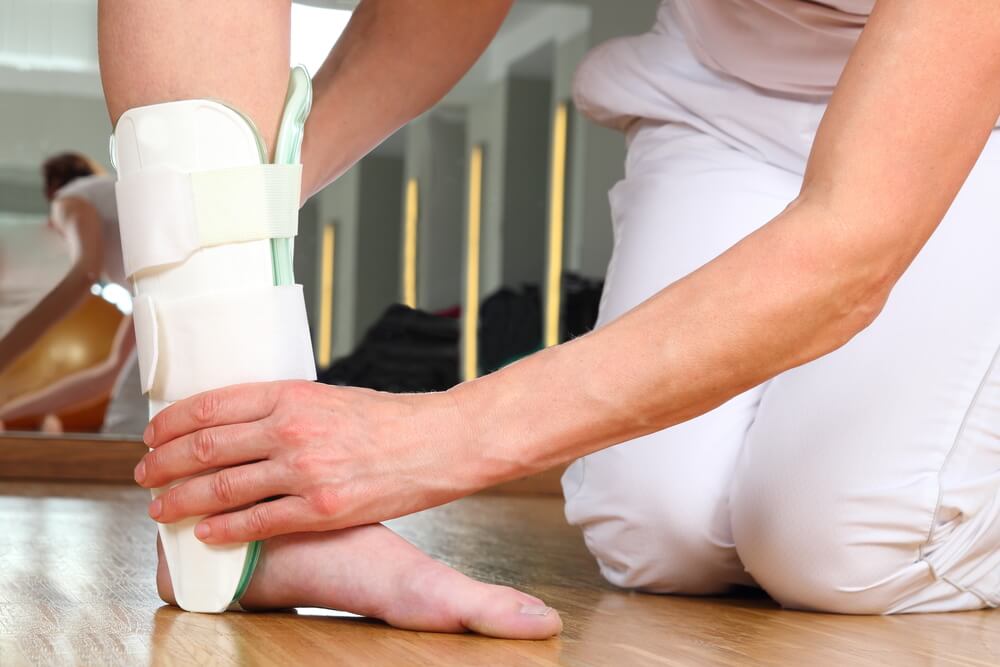
  • Why you need physical therapy after ankle surgery

    Why you need physical therapy after ankle surgery

    Severe ankle fractures. Torn soft tissue in the ankle. Ankle osteoarthritis. Each of these issues can prompt people to decide to have ankle surgery. 

    For instance, a Brostrom procedure is a surgery to repair torn ankle ligaments, and total ankle arthroplasty can help replace ankle joints affected by severe osteoarthritis. Seeking physical therapy after an ankle surgery is a smart move. In fact, there are many reasons why you should do so. 

    Five reasons to have physical therapy after ankle surgery

    Physical therapists can help your rehab after surgery because they’re trained to deal with the musculoskeletal system. This system includes joints like your ankle. Some reasons you should seek help from these specialists after your ankle procedure are: 

    1. They can help reduce your post-surgical pain.
    2. They can help you find ways to decrease your swelling. 
    3. They’re adept at helping patients regain joint range of motion.
    4. They’re experts at retraining your body to perform normal daily tasks like walking.
    5. They can help speed up your recovery process. 

    What may be involved in your post-surgery physical therapy plan?

    Your physical therapist will take the time to evaluate your ankle following your surgery. This evaluation can involve testing your function and range of motion. It may also involve questions about your pain and restrictions from your surgeon. 

    All this information will be combined to build a post-surgical rehab plan that’s individualized to your needs. Your custom post-surgical physical therapy plan could include techniques like: 

    Find the physical therapy you need after ankle surgery at Border Therapy Services

    Keen to find effective physical therapy after your ankle surgery? Our therapy specialists at Border Therapy Services can help you find the top-notch therapeutic care you need. 

    We offer comprehensive evaluations intended to pinpoint your specific post-surgical issues. Additionally, our team excels at building rehab plans designed to reduce pain and promote faster recovery. Even better, we can help prepare your body for surgery with our pre-surgical rehab services. 

    Contact us today for more information about all our helpful therapy services or to schedule an initial appointment.
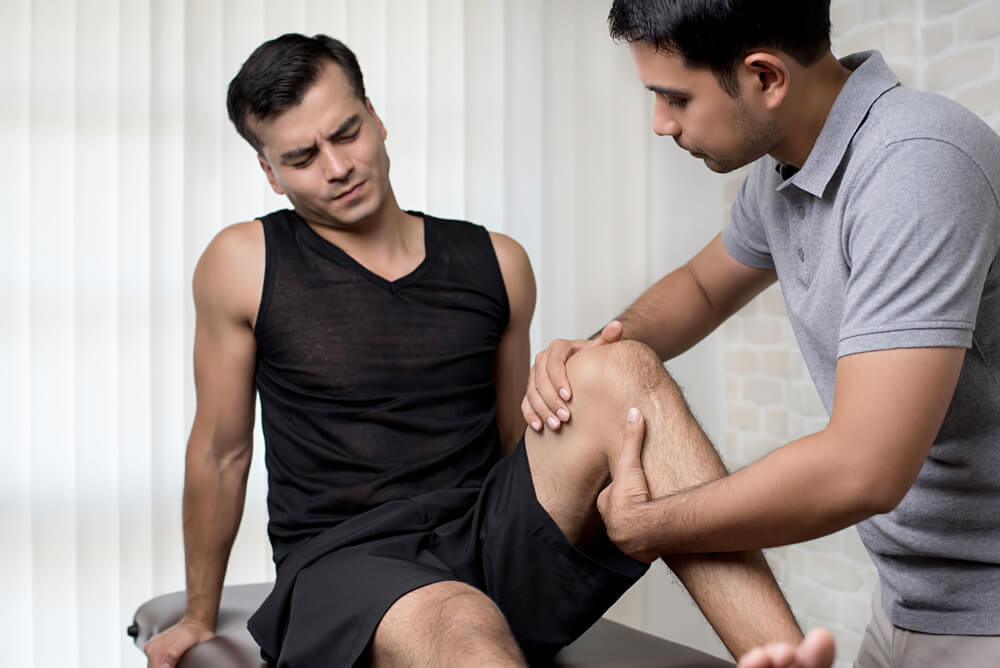

  • Getting the most out of your physical therapy after knee surgery

    Getting the most out of your physical therapy after knee surgery

    Anterior cruciate ligament (ACL) reconstruction. Total knee replacement. Knee arthroplasty. There are many types of knee surgery, and each type can address a specific knee problem.  

    Such surgeries are far more common than most of us might think. A medical study reveals that 4.7 million Americans had had a total knee replacement as of 2010. Another study reports that about 100,000 ACL reconstruction surgeries occur in the U.S. annually. After having a knee surgery, physical therapy can be instrumental in a fast and effective recovery. In fact, there are many therapy methods that can help you get the most out of your post-surgical rehab. 

    Three techniques that can help you get the most out of your post-knee surgery physical therapy

    Each post-knee surgery physical therapy plan is carefully crafted. In addition, these plans are personalized to fit the needs of the patients using them. One reason this high level of personalization is possible is that physical therapists have many techniques at their disposal. 

    Three of the techniques that can boost the effectiveness of your post-surgical therapy are: 

    1. Blood flow moderation training — This technique involves restricting blood flow slightly using a special device. The result is that muscles must work harder than they would have to to do the same movements with full blood flow. Blood flow moderation training (BFMT) is commonly used to help patients after an ACL surgery. A study of BFMT for ACL surgery patients shows that it helped improve muscle mass by: 
    • 1.54 centimeters in muscles above the kneecap of the affected knee 
    • 1.7 centimeters in the thigh muscles of the affected leg
    1. Therapeutic exercises — Your physical therapist can also show you how to do beneficial exercises. Such exercises can include stretches and strengthening movements. Doing the exercises you’ve been shown can help improve your knee range of motion (ROM) after surgery. One study reveals that therapeutic exercises helped improve knee ROM by two degrees on average immediately after they were done. 
    1. Dry needling — Some patients might be wary of this technique, but dry needling is done using very thin needles and doesn’t tend to cause any discomfort. Your physical therapist places the needles into the soft tissue around your knee to generate a local twitch response. In turn, this can help reduce post-surgical pain. Medical researchers report that four weeks of dry needling helped decrease pain scores in knee replacement patients by more than 36 points on average. 

    Need a physical therapy team for your post-knee surgery therapy? Border Therapy Services can help!

    Are you looking for a physical therapy team to help you recover after knee surgery? Our Border Therapy Services team is ready, willing and able to help you. We can assess your knee after surgery to learn what symptoms and limitations you have. Also, our physical therapists are adept at constructing individualized rehab plans designed to decrease pain and improve your ability to move. 

    Want to do some of your rehab from home? Our team can help you with that, too. We offer at-home care sessions where you work with your physical therapist in your home, and you can also meet with our physical therapists via a secure online video link during a virtual therapy session. 

    Contact us today for more information about the post-knee surgery physical therapy we offer or to schedule an initial appointment. 
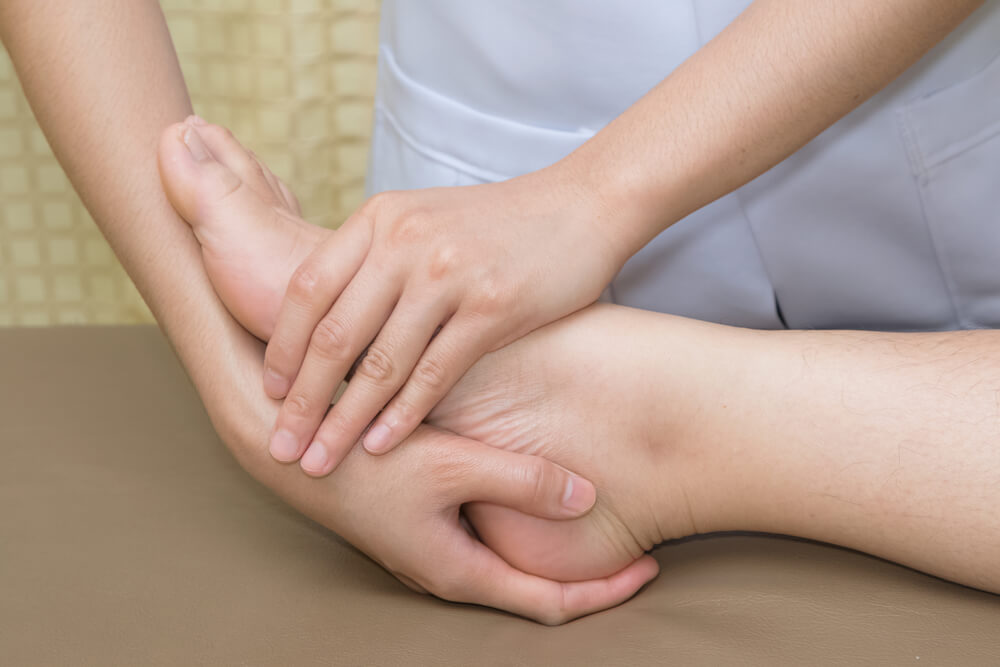
  • What happens if you don’t have physical therapy after rotator cuff surgery?

    What happens if you don’t have physical therapy after rotator cuff surgery?

    A short answer to this question is nothing good. There are, of course, risks associated with any surgery. It’s also not uncommon for people to have post-surgical complications. 

    Rotator cuff surgery isn’t performed as often as joint replacements and other procedures; still, it’s estimated that more than 460,000 Americans have this type of surgery annually. However, doing physical therapy after rotator cuff surgery can help you avoid several complications. 

    Not doing physical therapy after rotator cuff surgery can lead to these complications

    Complications after surgery aren’t completely unknown. Avoiding physical therapy after rotator cuff surgery can put you at higher risk of developing complications like: 

    1. Joint stiffness — Scar tissue typically forms as the rotator cuff heals after surgery. This can lead to an increase in post-surgical stiffness. Such stiffness can continue to make your life more difficult long after your surgery is over. One study reports that nearly 9% of patients who had rotator cuff surgery experienced significant stiffness following surgery. Fortunately, the study also reports that physical therapy helped 67% of patients resolve their stiffness within five months. 
    1. Blood clots — Blood clots often occur when patients don’t move around enough after surgery. These clots are blood that has turned from liquid to a gel-like state. This complication can easily affect patients after rotator cuff surgery. 

    A medical study reveals that almost 6% of the patients surveyed developed blood clots within three months of shoulder surgery. Physical therapists can help get you moving sooner after surgery, which can decrease your risk of blood clots. 

    1. Rotator cuff reinjury — A major complication that not doing physical therapy can lead to is reinjury. A study of rotator cuff surgery patients reveals that 33% of them developed another rotator cuff tear after their initial surgery. Some of the risk factors listed for a rotator cuff reinjury included: 
    • Old age
    • Large size of the initial tear
    • Fatty infiltration of the rotator cuff muscles as a result of muscle atrophy 

    SSOR offers beneficial post-rotator cuff surgery physical therapy

    Keen to avoid complications after rotator cuff surgery? Our physical therapy specialists at SSOR can help you recover faster and avoid complications after surgery. We’ll start by evaluating your shoulder to learn what post-surgical issues you have. Then, our physical therapists will create a personalized rehab plan for you. 

    Worrying that you won’t be able to come to one of our clinics for therapy? No problem! We offer several therapy services you can use from home, including at-home care and virtual therapy sessions. 

    Contact us today for more information about our post-surgical rehab services or to schedule an initial appointment. 
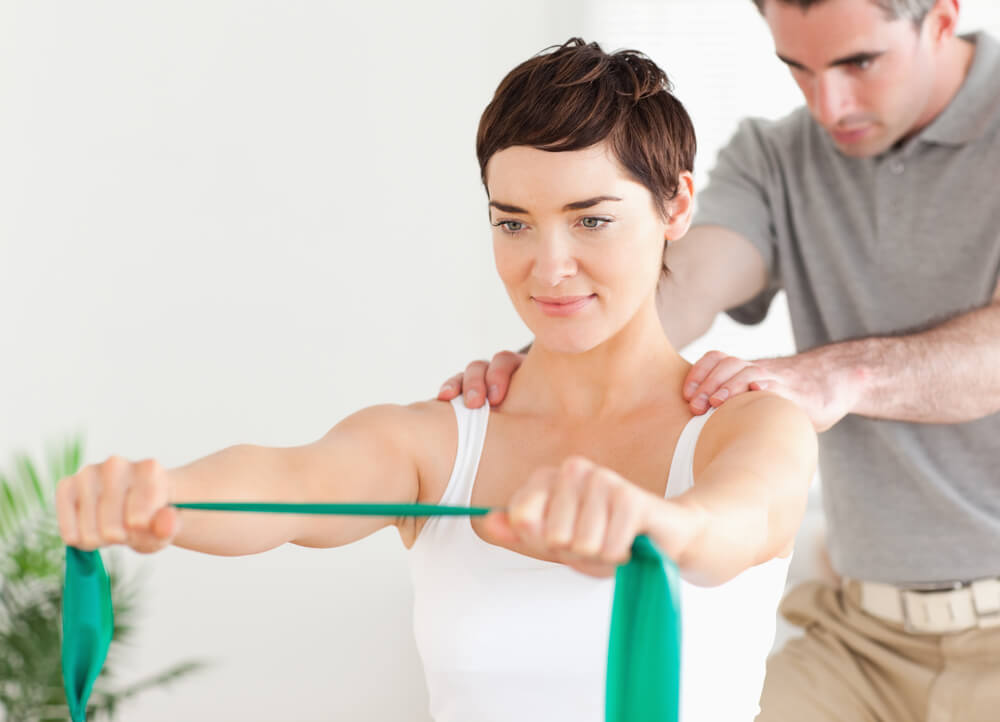
  • Improving your recovery with physical therapy after ankle surgery

    Improving your recovery with physical therapy after ankle surgery

    The ankle is one of the most commonly injured joints in the body. After all, there are few people who haven’t had a minor ankle sprain in their lifetime. However, most ankle injuries aren’t serious enough to warrant surgery. 

    There are some cases where your ankle may need surgery. A severe fracture. Torn ankle ligaments. Severe joint damage from osteoarthritis. These are some of the issues that could require an ankle surgery. In fact, it’s reported that in 2012 there were 5,500 total ankle arthroplasties performed on end-stage ankle osteoarthritis patients. 

    Recovering from ankle surgery can be a long process, but this process can be aided by having physical therapy after ankle surgery. 

    Three ways physical therapy after ankle surgery can help your recovery process

    Physical therapists are experts in the human musculoskeletal system, and they help people recover from many types of surgery. These specialists will listen to your recovery goals. Then, they’ll build you a recovery plan that’s personalized to your goals and needs. 

    Such a recovery plan will be designed to help:

    1. Reduce pain — Even minimally invasive surgeries can cause some damage to tissue around the operation site. Often, this damage can lead to post-operative pain. Physical therapists can use techniques like Astym® therapy to reduce your ankle pain. One study shows that this therapy method helped completely resolve the pain of a patient with Achilles tendinopathy in just 10 sessions. 
    1. Increase function — Ankle function is another factor that can suffer after an ankle surgery. Scar tissue and pain are two issues that can affect your ankle function. Physical therapists can use a category of therapy called manual therapy to counter these issues. A study of manual therapy following long-term ankle immobilization reveals that four weeks of this technique helped boost ankle function by nearly 22 points. 
    1. Improve range of motion (ROM) — How much you’re able to bend your ankle in various directions is its ROM. This flexibility is likely to be reduced by an ankle procedure. Bending the ankle up and down can be particularly hard to do after surgery. Medical researchers report that Astym therapy helped increase this area of ROM by 10 degrees in 11 therapy sessions. 

    Excel Sports & Physical Therapy offers top-notch physical therapy after ankle surgery

    Curious about where you can find effective physical therapy after your ankle surgery? Our team at Excel Sports & Physical Therapy offers care that can help your recovery process. We can perform a comprehensive evaluation of your ankle to determine what issues your surgery has caused. Our physical therapists can then create a personalized therapy plan for you. This plan can help you get all the benefits above and help you avoid future ankle injuries. 

    Worried that being stuck at home means you can’t get physical therapy? No problem! Our team offers therapy services like virtual therapy and at-home care that are designed to be used from your home. 

    Contact our team today for more information about the post-surgical therapy services we offer or to schedule an initial appointment. 

  • Three reasons why surgery patients need pre-surgical rehab

    Three reasons why surgery patients need pre-surgical rehab

    Most people who are suffering from an injury or chronic pain prefer noninvasive treatments, like medicine or physical therapy. However, in severe cases of injury or pain, you may need surgery.

    Surgery can be scary because of the risks associated with it and the lengthy recovery times. It doesn’t have to be this way, though. Surgery may always have its risks, but you can improve your recovery experience with pre-surgical rehab, or pre-hab, from an experienced physical therapist.

    Surgery patients need pre-surgical rehab from a physical therapist for these three reasons

    Physical therapists are health care professionals who specialize in treatments that affect the bones, joints, muscles, ligaments and tendons in your body. These treatments can help prepare your body for surgery to help:

    1. Reduce pain — Pre-hab can help strengthen and stretch your muscles, ligaments and tendons. This can help reduce pressure on the areas affected by surgery and provide your body with more support. Additionally, physical therapy exercises can improve blood flow; the  improved flow delivers more oxygen and nutrients to your body to promote recovery and reduce pain. 
    1. Increase recovery speed — Recovering from surgery can mean long hospital stays and longer recovery times. Pre-hab can cut your hospital stay shorter and increase the speed of your recovery. One study reveals that knee and hip replacement patients who did at least six weeks of pre-hab were 73% less likely to need in-patient rehab after surgery. 
    1. Improve mobility — Surgery can make it difficult for you to move on your own. Pre-hab can improve your strength, flexibility, coordination and balance so you can live more independently during your recovery.

    What techniques can your physical therapist use in your pre-surgical rehab plan?

    Physical therapists always work closely with patients to develop personalized treatment programs. Each pre-surgical rehab program looks different. This is because each person is affected differently by surgery. But pre-hab plans generally include some of the following therapy techniques:

    • Therapeutic exercises — Some movements will be discouraged after you have surgery. However, others can help you regain strength and function. They may also be helpful at reducing pain. One medical study reveals that just one session of therapeutic exercises was able to improve knee range of motion by 25% when used after anterior cruciate ligament (ACL) surgery. 

    Other therapy techniques that may be used by your physical therapist are: 

    Excel Sports & Physical Therapy offers effective pre-surgical rehab

    If you need to have surgery soon, you should schedule an appointment for pre-surgical rehab with our Excel Sports & Physical Therapy team. We offer free screenings that can reveal issues that need to be addressed before your surgery. Additionally, our physical therapists can build you an individualized pre-hab plan intended to help reduce your pain from surgery and improve your recovery times. 

    Unable to come by for an in-person session before surgery? No problem! Our team offers therapy services you can use right from home, including virtual therapy and at-home care sessions. 

    Contact our team today for more information about our pre-hab services or to schedule an initial appointment. 

  • When is post-surgical pain the worst and what can I do about it?

    When is post-surgical pain the worst and what can I do about it?

    Surgery is often necessary to repair serious injuries or treat end-stage osteoarthritis. However, it’s natural to be apprehensive about having surgery. In particular, you might wonder when post-surgical pain is likely to be the worst and what you can do about it. 

    When is post-surgical pain the worst? 

    Knowing exactly when post-surgical pain will be the worst for you is tough. The severity and length of time you’re in pain could depend on the type of surgery you’re having. These factors also tend to be different for each individual patient. 

    However, there is some evidence that can help answer this question in a general way. One medical study reveals that 55% of patients reported that their worst pain was experienced within 48 hours of surgery. 

    What can you do to reduce post-surgical pain?

    Physical therapy is an effective option for treating post-surgical pain. In fact, pre-surgical rehab, or pre-hab, can help you decrease pain and other symptoms before surgery. One study reveals that just one or two pre-hab sessions reduced the use of post-operative care by 29% in patients who had total hip and knee replacements. 

    Post-surgical rehab (PSR) can also be helpful for pain management. There are two techniques that can be particularly helpful. These are: 

    1. Dry needling — One study shows that dry needling helps reduce pain after a total knee replacement. The study reveals that patients who used this technique had a more than 36-point drop in their pain scores after four weeks of treatment. 
    2. Soft tissue mobilization — This is a type of manual therapy. Medical researchers have found that soft tissue mobilization (STM) can be helpful for post-surgical pain. One study reports that 10 sessions of STM allowed one patient to decrease her pain enough to return to normal activities. 

    Turn to Rehab Access for help when your post-surgical pain is the worst

    Want to line up effective physical therapy before your post-surgical pain is at its worst? Our team at Rehab Access is primed to assist you. We offer effective pre-hab and PSR plans, and our team personalized each plan to meet the patient’s specific needs. 

    At Rehab Access, we offer options like virtual care appointments and at-home therapy sessions for those who are staying at home. Additionally, you can take advantage of our services even if you don’t have a doctor’s referral. 

    Contact our team today for more information or to schedule an initial appointment.

  • How to prepare for surgery with physical therapy

    How to prepare for surgery with physical therapy

    Physicians usually recommend surgery as a treatment only if they believe conservative treatments will not work. Surgery is invasive and risky and causes a lot of pain afterward when you’re recovering. However, sometimes it is the right choice for helping you with your pain or injuries.

    When you need to have surgery, it’s important to be as prepared as possible. One way to prepare is visiting a physical therapist for pre-surgical rehabilitation. This is a service offered by physical therapists, like those at Excel, to help manage your pain while you wait for your surgery and to help you prepare your body for the recovery process afterward. 

    Pre-surgical rehab with a physical therapist can help you in many ways, primarily through exercise, manual therapy and mental preparation. 

    Preparing for surgery with exercise

    Gentle exercises can improve the strength and flexibility of your muscles and tendons. Stronger and more flexible muscles can provide better support for the bones and joints, which can help manage your pain while you wait for your surgery. Muscles in better shape are also able to heal more quickly from the incisions involved in surgery. 

    Preparing for surgery with manual therapy

    Manual therapy includes hands-on techniques that mobilize the joints and soft tissue to help reduce pain and improve your range of motion. These mobilization techniques can help reduce tension and trigger points that may be contributing to your pain or making your recovery more challenging.

    Preparing for surgery with your mind

    It’s as important to prepare for surgery mentally as it is physically. You’ll need to understand the challenges you’re going to face while recovering, so you can adjust your life around them. Your physical therapist can help you identify your challenges and come up with strategies to navigate them, so you can live as comfortably and independently as possible while recovering.

    Visit Excel Sports & Physical Therapy for pre-surgical rehabilitation

    Are you expecting to have surgery soon? Whether you’re having surgery in a couple of weeks or a couple of days, you can benefit from pre-surgical rehab now to help you prepare for it. Contact our team today for more information about pre-surgical rehabilitation or to schedule an initial appointment. 
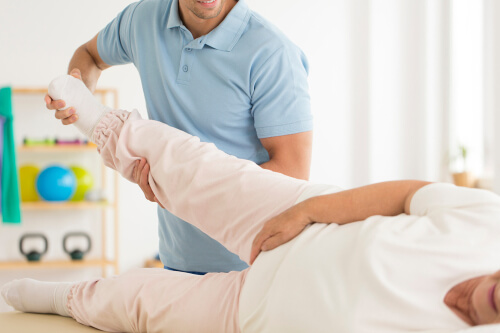
  • Five reasons why it’s important to have physical therapy after surgery

    Five reasons why it’s important to have physical therapy after surgery

    Deciding to undergo any type of surgery constitutes a significant life event. It can be a large source of stress and anxiety because there’s so much that goes into ensuring a successful procedure, from choosing a surgeon to making your pre- and post-operative preparations. 

    Even if the surgery itself goes as smoothly as possible, your personal recovery journey is just beginning. In many ways, the recovery and rehabilitation process can be as important as the procedure. Even minor surgery involves trauma to the body, and depending on the type of procedure you undergo, there may be some physical adjustment needed. For example, patients who undergo hip replacements will need to learn how to move properly with an artificial hip.

    This is why physical therapy and surgery are so closely associated during the recovery phase. To help you gain a better understanding of why physical therapy after surgery is important, we’re sharing the following informative overview. 

    Physical therapy and surgery — key benefits

    When you see a physical therapist for regular sessions after a surgical procedure, here are the benefits you can enjoy: 

    1. Increased blood flow and circulation — It’s important to get blood flowing to the surgical area, both to help with healing and reduce the risk of complications like blood clots. Physical therapy helps with guided exercises and manual therapies. 
    2. Immediate joint and soft tissue mobilization — Immobility is one of the biggest foes in the recovery phase, but it can be difficult to get moving. Therapists are trained in targeted techniques to help you restore normal movement in the surrounding areas.
    3. Reduced pain and inflammation — Whether through hands-on techniques or other interventions, physical therapists can break up painful tissue and help reduce swelling to ease symptoms after surgery. 
    4. Improved strength and range of motion — Not only do surgical patients need to develop strength and mobility due to the procedure itself, but in many cases the injury or condition that warranted the procedure also resulted in immobility. 
    5. Quicker resumption of normal activities — By committing to a physical therapy program, patients recovering from surgery can often get back to daily activities in a shorter time span.

    When searching for a therapist, patients should focus on finding one with the right mix of skills and experience and who takes a patient-centric approach to care. 

    Back in Motion Physical Therapy can help you recover after surgery

    Whether you’ve recently undergone a procedure or you’re in the process of scheduling one, we can help. Our compassionate and experienced team can assess your needs and work closely with your surgical team to provide the continuity of care you need. 

    To learn more and schedule an initial appointment, contact us today.

  • Three big reasons why it’s important to have physical therapy after hip replacement surgery

    Three big reasons why it’s important to have physical therapy after hip replacement surgery

    According to a CDC study, hip replacement surgery is an increasingly common procedure, with the rate almost doubling from 2000 to 2010 alone and not showing any signs of slowing down in the ensuing years. This procedure is so prevalent due to an aging population and the increase in conditions like arthritis and bursitis. While the procedure itself serves an important function in replacing worn-out bone with a durable implant, the recovery process is also critical to ensuring that patients are able to regain movement and function in their hips. 

    Particularly, attending physical therapy sessions consistently can help lower the risk of complications and increase the likelihood of a return to regular activities for a number of key reasons. To help you gain a clearer picture of why physical therapy after hip replacement surgery is important, we’re happy to share the following guide. Please feel free to reach out to us if you have any questions or want to learn more about what to expect from physical therapy. 

    Why you should attend physical therapy after hip replacement surgery

    Here are the big reasons why physical therapy sessions help patients who have recently undergone hip replacement surgery: 

    1. It encourages healing — Any type of surgery involves trauma to soft tissue, and hip replacement surgery is no different. With active and passive techniques, physical therapists help break up damaged tissue and increase blood flow to the area, which is very important to good healing. 
    2. It helps you relearn hip movement — Patients requiring hip surgery have often dealt with years of dysfunction in this region. Combine that with the insertion of new hardware, and you have a situation where you will need to learn and relearn many of the body mechanics needed for daily activities. As experts in biomechanics, physical therapists can help with balance, stability and gait training. 
    3. It builds stronger and more resilient hips — Weak hips can be both the result and cause of many hip problems, creating a vicious cycle where a sedentary lifestyle can worsen hip pain. If you’ve recently undergone a hip replacement, a physical therapist will help you strengthen your hips and core to help ensure a positive outcome with improved long-term hip function. 

    It’s important to work with a therapist whom you are personally comfortable with and who can provide continuity of care with your surgical team. 

    Hip replacement physical therapy with a team you can trust

    At Rehab Access, we’ve built our practice on a commitment to compassionate care and expertise. If you’ve undergone or are planning to undergo hip replacement surgery, we can help you create a comprehensive recovery plan that is customized to your individual needs. Our therapists have decades of combined experience helping hip replacement surgery patients achieve their treatment goals and get back to a healthy and active lifestyle. 

    Contact us today to schedule your initial appointment at the location that is right for you.

  • Use these two exercises after a hip replacement

    Use these two exercises after a hip replacement

    Hip osteoarthritis is a serious issue, and up to 27% of adults over 45 have signs of this hip issue. The result is that more than 300,000 total hip replacements per year are done to treat patients with serious hip osteoarthritis. 

    Physical therapy can have huge benefits for patients after their hip replacement. One study reports that a home-based therapeutic exercise program was able to improve the strength of some hip muscles by almost 48% in as little as four months. Therapy specialists can show you many exercises that can be helpful after a hip replacement, but there are two that therapists are especially likely to recommend. 

    1. Supine heel slides

    The period immediately after your surgery is when you should start doing movement exercises. However, your movement will be limited by factors like hip pain. It could also be limited by the damage done to your hip muscles during surgery. Physical therapists can help get you moving again by giving you exercises to do that use gentle movements to help minimize pain and start improving function. One example of such an exercise is the supine heel slide. 

    How to perform the supine heel slide exercise

    • Lie on your back on a bed. Your legs should be straight out in front of you.
    • Slowly bend your leg so that the foot of the affected leg is flat on the bed. 
    • Slowly pull your heel toward your buttock as far as you can. 
    • Return to the starting position. 
    • Repeat these steps until you’ve done three sets of eight to 10 repetitions with a short rest break between sets. 
    1. Standing knee raises

    As your hip heals after surgery, your therapist will have you start doing more active exercises. These exercises can help continue to increase hip muscle strength, and they’re also intended to increase your hip range of motion. An exercise your therapist might prescribe to meet such goals is the standing knee raise. 

    How to perform the standing knee raise exercise

    • Stand behind a stable chair or countertop, and place your hands on it to help maintain your balance. 
    • Slowly lift the affected knee to about waist height. If you can’t, just lift it as high as possible. 
    • Hold this position for three seconds. 
    • Slowly return your foot to the ground.
    • Rest for a few seconds, and then repeat these steps until you’ve completed the exercises 10 times. For best results, your goal should be to do three to four sets of this exercise every day. 


    Excel Sports & Physical Therapy can show you the most effective exercises to do after a hip replacement

    Not sure which other exercises you should do after a hip replacement? The therapy specialists at Excel Sports & Physical Therapy can help you find the exercises that are most beneficial for you. We’ll start you off by having you come to one of our clinics for a free screening. Next, our team will build you a personalized therapy plan that uses multiple therapy methods intended to speed up your post-surgical recovery. 

    Don’t wait to start getting our help after a hip replacement. Contact our team today for more information or to schedule an initial appointment. 

  • What happens if you don’t do physical therapy after knee surgery? Four potential risks

    What happens if you don’t do physical therapy after knee surgery? Four potential risks

    It doesn’t matter if you find the best orthopedic surgeon in the world and he or she performs your knee surgery flawlessly, once you are discharged, so much of a successful recovery process depends on you. Along with post-operative instructions such as incision care, proper medication usage and returning to normal movement, physical therapy is a common recommendation for patients recovering from knee surgery. 

    While you may be feeling good after your procedure and find yourself returning to daily activities quickly, it is crucial to follow through with a physical therapy program. This can be even more true if you are experiencing a slower and more difficult recovery period after knee surgery. 

    To stress the importance of physical therapy after surgery, particularly working with a trained and licensed therapist, we’re sharing the following guide. We’re always available to answer questions and we welcome you to contact us at any time. 

    Why physical therapy contributes to successful knee surgery outcomes

    Patients who skip out on physical therapy after a knee surgery may be exposing themselves to a greater risk of the following: 

    1. Slowing down the healing process — It takes time to heal after any surgery, no matter how minimally invasive the procedure is. Physical therapy helps to get muscles moving and blood flowing, which can promote healing in the surgical site. 
    2. Reinjuring the knee — Patients often need movement training after surgery to learn how to move the knee properly; otherwise there is a risk of reinjury. This is especially true if a knee problem has been ongoing for years.  
    3. Compensatory injury — Similarly, changes in knee movements after a procedure can put additional stress on other areas of the body, from the ankles, to the hips and lower back. Physical therapists can help you address these problems to avoid imbalances in your kinetic chain. 
    4. Requiring a follow-up surgery — Possibly the worst-case scenario is requiring a follow-up surgery due to tearing the knee or other region. Physical therapy can help to strengthen the body and lower the risk of needing additional surgery in the future. 


    Physical therapy after knee surgery with the experts at Armor 

    At Armor Physical Therapy, our expert team can help you develop an effective plan based on your unique treatment history and the specific procedure you had performed. We want to help you have a successful surgical outcome so you can get back to the people and activities you love. 

    To learn more, contact us today. We’ll help you schedule your initial appointment whether you have an upcoming knee surgery or you’ve already undergone the procedure.

  • Three issues caused by not doing post-knee surgery therapy

    Three issues caused by not doing post-knee surgery therapy

    Having surgery to fix or completely replace the knee joint is rapidly becoming more popular. The American Academy of Orthopedic Surgeons reports that the total number of knee replacements per year is projected to reach about 1.3 million by 2030. If you’ve recently had a knee replacement surgery, you might be considering skipping physical therapy. However, this decision could be a mistake because not doing physical therapy after knee surgery can lead to several issues. 

    1. Increased joint stiffness

    One issue that not participating in physical therapy after knee surgery can cause is increased joint stiffness. When you have surgery on your knee, doctors will have to make incisions, and they may also have to detach or cut muscles, tendons and ligaments. As damage to these structures heals, they can develop scar tissue or adhesions on them. In turn, these adhesions can make it harder for muscles, tendons and ligaments to move normally, and this decreased movement can lead to greater joint stiffness after your surgery. This is especially true if you aren’t using physical therapy to help treat the adhesions and joint stiffness. 

    1. Increased pain

    Not doing physical therapy after your knee surgery can also increase pain. One reason for this is that not having a physical therapist to motivate you could lead to you not moving much. This lack of movement can lead to many issues. For example, it can lead to increased joint stiffness as discussed above. This can be an issue because stiffer joints also tend to be more painful. Also, no physical therapy means that the blood flow to your knee can be lower, so your knee won’t be getting as much oxygen and nutrients. As a result, the healing of your knee could take much longer, which means you’re likely to be in pain for longer as well. 

    1. Increased recovery time

    So, let’s recap what happens if you don’t do physical therapy after knee surgery. Your knee is likely to be stiffer, and the scar tissue buildup can keep it that way even after the pain of your surgery is gone. Also, your recovery can be more painful. In short, the combination of issues you’ll face by avoiding physical therapy can make you take much longer to recover from your surgery. 

    Excel Sports & Physical Therapy can help you find post-knee surgery rehab

    Excel Sports & Physical Therapy is proud to offer physical therapy that can help you recover from knee surgery. Our team offers free screenings, and these are intended to help us learn about your needs. After your screening, we’ll build you a personalized recovery plan, which may include therapy methods like: 

    Are you ready to set up your post-knee surgery therapy with us? Contact our team today for more information or to schedule an initial appointment. 

When Was Your Appointment?

We recently changed bill pay providers. Please click the button for the date of your appointment to be directed to the correct online payment portal.