Please ensure Javascript is enabled for purposes of website accessibility

Category: Post-surgical Rehab

  • How to Avoid the Top 5 Mistakes After Knee Replacement

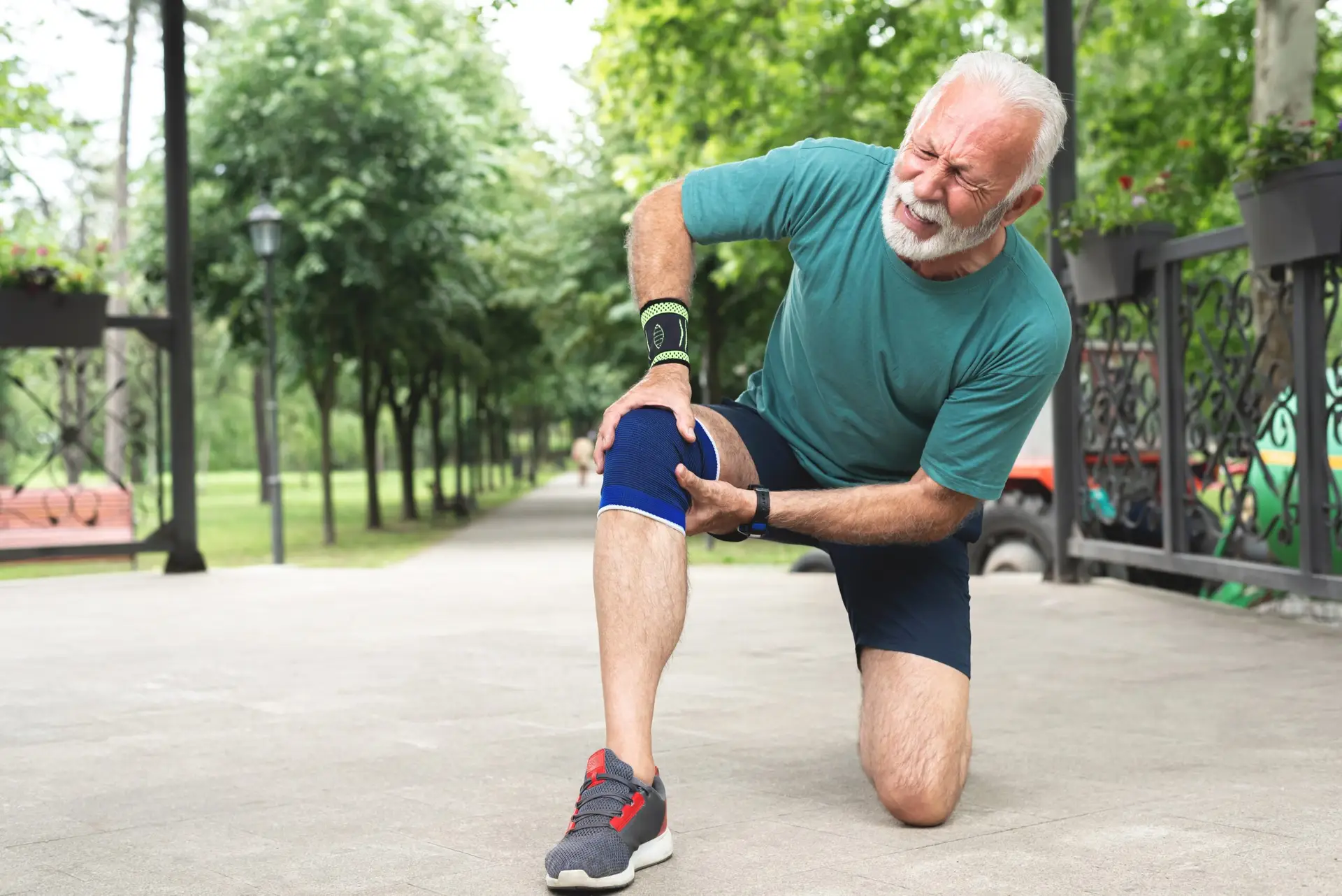
    How to Avoid the Top 5 Mistakes After Knee Replacement

    Undergoing knee replacement surgery is a major milestone in your journey toward better mobility and a better quality of life. Although the first few days after surgery can feel challenging, your body’s resilience will kick in, and you may find yourself starting to feel better faster than you expected.

    While this is a great sign, it’s important to remember that your new knee isn’t fully healed yet. Recovery is a process that demands time, effort, and a thoughtful approach to ensure the best outcome. One thing to be mindful of? Avoiding common missteps that could slow your recovery or lead to complications.

    Follow your physical therapy plan

    Physical therapy is the foundation of recovering your mobility after a major surgery like this. It’s not just about regaining movement in your knee—it’s also about restoring strength, flexibility, and stability. Ignoring or skipping your physical therapy sessions is one of the biggest mistakes you can make after knee replacement surgery.

    Your therapist tailors a plan specifically for you, constantly taking into account your progress and current challenges. This plan builds gradually to help you regain full functionality without overloading your knee. Skipping appointments or not doing at-home exercises can delay your recovery timeline or even compromise the long-term success of your procedure.

    Rules of thumb:

    • Commit to attending every therapy session on your schedule. Think of it as a non-negotiable part of your day.
    • Don’t shy away from asking your physical therapist for clarification if you find any exercises difficult—we may offer modifications to make them easier.
    • Stay consistent with your at-home exercises, as they’re crucial for supplementing your in-office sessions.

    Go easy and gradually with your knee

    While enthusiasm is an excellent trait during what can feel like a never-ending rehab process, it can sometimes lead patients to overdo it. Whether it’s attempting vigorous exercises or climbing the stairs too soon, overexertion can lead to swelling, stiffness, and even injury to your new joint.

    It can be tempting to fast-track your recovery, especially if you’ve started to feel better earlier than anticipated. However, remember that the tissues, muscles, and ligaments around your knee may not be on the same timeline as you want them to be.

    Rules of thumb:

    • Follow your surgeon’s and physical therapist’s advice about activities and avoid skipping steps in your recovery plan.
    • Gradually ease into using your knee by counting steps each day, including standing and sitting.
    • If you notice excessive swelling, pain, or discomfort, tell your therapist, take a break, and give your body time to rest.

    Maintain flexibility and move your knee regularly

    One of the top priorities after knee replacement is ensuring that your new joint doesn’t become stiff. Many patients make the mistake of underestimating how important consistent movement and stretching are for maintaining flexibility from day to day, or even in the long run.

    Whether out of fear of pain or a lack of expert guidance, it’s easy to limit your movements during knee surgery rehab and focus solely on rest. Unfortunately, failing to work on bending and straightening your knee can make stiffness worse over time.

    Rules of thumb:

    • Gradually work on straightening and bending your knee as recommended by your physical therapist. Early progress can make a big difference.
    • Incorporate low-impact stretching routines into your day to help maintain flexibility.
    • Use tools like a stationary bike under the guidance of your therapist to gently promote movement without straining your knee.

    Learn effective pain management techniques

    Recovering from knee replacement surgery comes with some level of discomfort, and managing pain effectively is key to being able to make constant progress. However, some patients make the mistake of falling to an extreme on the spectrum for pain management: either over-relying on pain medications or avoiding them entirely, leading to unnecessary discomfort or dependence.

    Rules of thumb:

    • Follow your doctor’s guidance on medication and take advantage of non-medication pain relief methods like icing your knee, elevating your leg, and using compression wraps.
    • Stay ahead of the pain instead of waiting for it to become severe. In addition, taking pain medications as prescribed before a PT appointment ensures you can complete the session without significant discomfort.
    • Explore relaxation techniques like deep breathing or meditation, as these can help manage stress-related aspects of pain.

    Change your lifestyle for the better

    Finally, a successful recovery doesn’t end with only your knee feeling better. Many patients benefit from adopting a new but sustainable healthy lifestyle to protect and enhance their knees and overall health.

    Even something as simple as practicing a positive outlook can help. It’s the difference between: “How can I use this time to better serve myself for the long term?” instead of: “Why isn’t this going faster?”

    Rules of thumb:

    • Fuel your body with a nutrient-rich diet to support healing. Focus on foods high in protein and vitamins that give you plenty of energy while you rest and heal.
    • Incorporate low-impact exercises like swimming, walking, or yoga into your routine to strengthen your muscles and keep your new knee healthy.
    • Maintain a healthy weight to reduce strain on your knee and prevent unnecessary wear and tear on your joint over time.
    • Avoid or quit harmful habits like smoking, which can delay tissue healing and increase complication risks.

    Post-surgery recovery advice and care in North Carolina

    Recovering from knee replacement surgery takes patience, dedication, and, most importantly, the right support system. At our clinics in Southport, Southern Pines, and Seven Lakes, we’re here to help you heal properly and work toward your goals.

    Whether you’re looking ahead to your own surgery or are preparing to take care of a loved one, we’re here to help. Get started by calling one of our clinics or by requesting an appointment online today.
  • 5 Things I Wish I Knew Before Shoulder Surgery

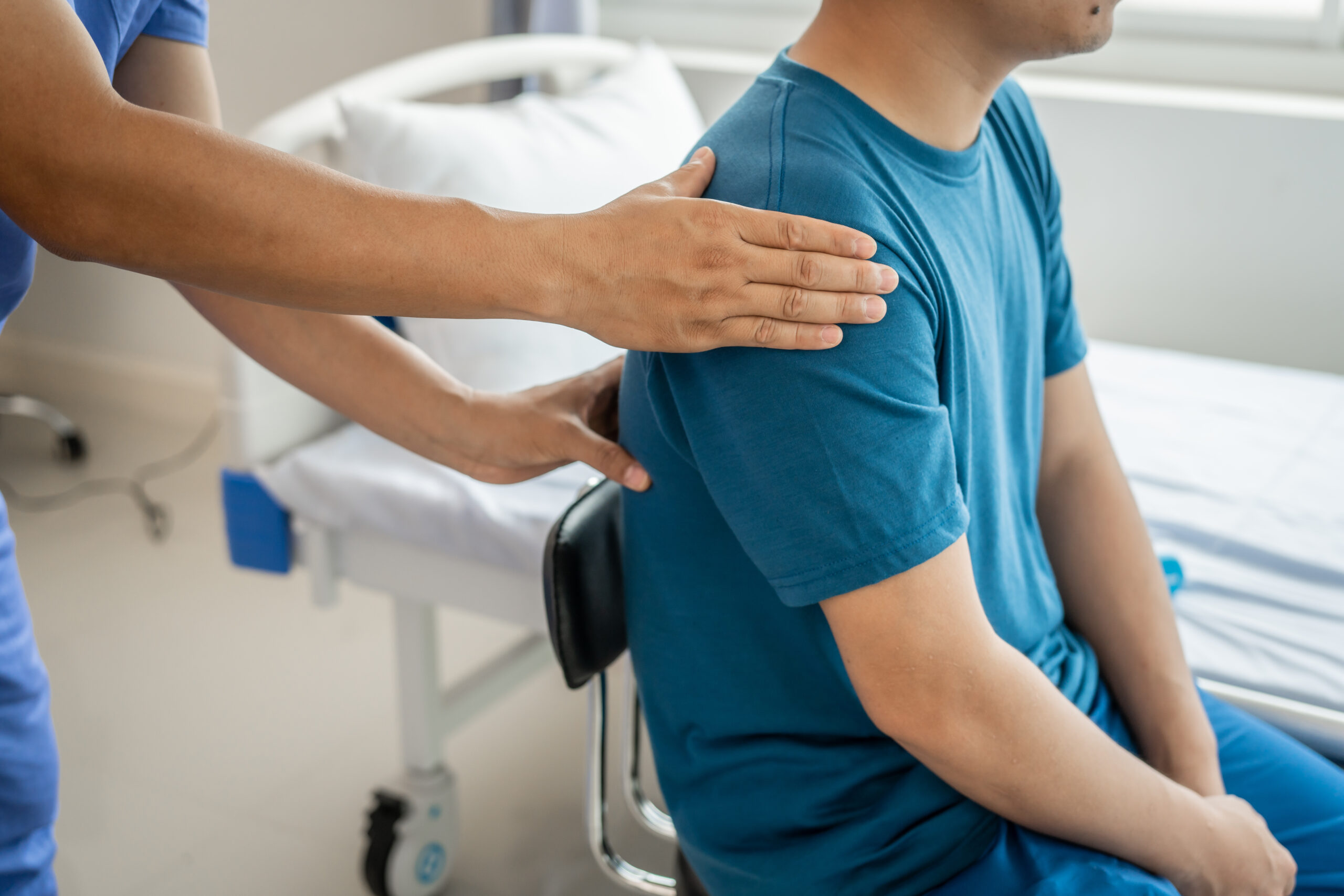
    5 Things I Wish I Knew Before Shoulder Surgery

    For anyone preparing for shoulder surgery, the thought of the procedure can be both intimidating and hopeful. Whether you’re dealing with a rotator cuff tear, arthritis, or another shoulder issue, we’re confident that the way you feel after recovery will make this decision more than worthwhile. At the same time, an upcoming surgery can lead to a lot of worry both for patients and their caregivers.

    As you or your loved one gets ready to start on the journey to a healed shoulder, you might find it helpful to hear a few tips from patients who have gone through this process before.

    1. Prepare your recovery space

    Once your surgery is complete, home—or more specifically, the bed or couch—will become your headquarters for healing. The first thing you’ll notice is how limited your mobility will be, especially in those crucial early days. Your dominant arm might be immobilized, you may feel drowsy from the procedure, and everyday routines like cooking or showering will need some adjustments.

    Creating a designated recovery space ahead of time can make this phase significantly easier. Here’s a few ideas for what to include in your setup:

    • A comfortable space to rest, such as a recliner
    • Pillows strategically placed to support your arm and ensure you’re sitting or lying at recommended angles
    • Entertainment options like books, a tablet, or a TV remote within reach of your uninjured arm
    • Easily accessible snacks and a water bottle to stay hydrated without excessive movement

    By having everything within reach, you’ll be better prepared for what can feel like a blur of rest and rehabilitation in the first few days after surgery.

    2. Get ready to be consistent and persevere

    Shoulder surgery recovery is not a sprint—it’s a marathon. It’s important to know from the outset that the road to recovery, while rewarding, is often long and requires persistence.

    Many patients describe physical therapy as both a gift and a challenge. You might face days where progress feels slow or even non-existent. Healing, after all, is rarely linear. But consistency in your physical therapy exercises can make all the difference by the time your body is fully recovered.

    The good news is that each small effort you make builds on the last, and over time those little victories add up to a fully functional shoulder. During hard PT visits, you can stay motivated by keeping your goals in mind—whether that’s throwing a baseball again, lifting a suitcase pain-free, or simply being able to reach that high shelf in your kitchen.

    3. Learn how to manage pain sustainably

    Pain is an inevitable part of any surgery. You may be prescribed medication for the first stage of recovery to keep the worst discomfort manageable. But it’s essential to approach pain management carefully and with sustainability in mind.

    While medication can be helpful for short-term relief, building strength, increasing flexibility, and gradually relearning how to use your shoulder are the true pathways to long-term healing. This approach also helps prevent future discomfort and conditions such as frozen shoulder.

    Always follow your surgeon’s instructions first and foremost. Generally, we also recommend to:

    • Follow your doctor’s guidance regarding pain medication, but be proactive about gradually reducing usage as your recovery continues
    • Practice natural pain management techniques, such as applying a cold compress to reduce swelling or doing gentle stretches under the guidance of your therapist
    • Listen to your body—recovery is about balancing effort and rest

    4. Gather your emotional and logistical support team

    Shoulder surgery might focus on a single joint, but the impact often ripples out to your entire life. Everyday tasks, from going grocery shopping to using the stairs, may feel much harder than usual. You’ll also face moments where healing can feel lonely or frustrating. That’s where a strong support system comes into play.

    Beyond arranging a ride home from the hospital, reach out to family members, friends, or trusted neighbors who can offer help. Here’s how your support team can play a role in your recovery:

    • Helping with household chores, like cooking, cleaning, or doing laundry
    • Running errands, including grocery shopping or picking up medication
    • Assisting with childcare or pet care, if applicable
    • Being a source of encouragement during moments of frustration or boredom

    Don’t hesitate to ask for support—most loved ones are eager to help, and recovering from surgery is not something you need to go through alone.

    5. Commit to healing through physical therapy

    Physical therapy is the gold standard for recovery for nearly every shoulder surgery patient. It’s more than a set of exercises; it’s your roadmap to regaining strength, mobility, and functionality in your shoulder.

    What’s important to remember is that not every physical therapy plan after shoulder replacement is the same. Your therapist will create a personalized treatment plan tailored to your unique needs and goals—whether it’s returning to a sport you love, easing back into work, or simply enjoying daily activities without pain.

    Sticking to your physical therapy routine might feel challenging at times, but the payoff is tremendous. Communicate openly with your therapist about any pain levels or hurdles you’re facing—they’re here not only to guide you but also to adapt your plan as needed.

    Plan your recovery with support and confidence

    Every shoulder surgery recovery is as unique as the person experiencing it. But no matter where you’re starting from, preparation, consistency, and support can help make the process smoother.

    If you’re preparing for shoulder surgery—or are already on the road to recovery—the Pittsburgh physical therapist team at Panther can help. From personalized treatment plans to guidance through sustainable pain management techniques, we’re committed to supporting you every step of the way. Learn how we can be your partner in surgical recovery by calling a nearby clinic or by requesting an appointment online today.

  • 3 ways that PT can help you return to driving after surgery on your ACL

    3 ways that PT can help you return to driving after surgery on your ACL

    Recovering from a major surgery can be a long and challenging journey. Have you recently had an anterior cruciate ligament (ACL) surgery? After ACL surgery, post-surgical rehabilitation is an integral part of making a complete recovery. The ACL is an important ligament located around the center of the knee. Like the other ligaments, the ACL functions to connect your bones and joints. The ACL specifically works to keep the shinbone and thighbone apart at the knee. This helps keep both bones stable and provides support for the knee joint. Because of the ACL’s importance in your knee’s everyday functions, an ACL injury can have a major impact on your mobility. Even after a reconstruction surgery, you may have some difficulty using your knee. Learning more about the typical recovery timeline after an ACL surgery can help you make a successful recovery.


    While recovering from an ACL surgery, patients often ask a crucial question: “When can I get back to my normal daily activities?” After all, ACL issues can make it hard to keep up with your regular routine. One major activity that you might wonder about is driving. If you don’t have other convenient means of transportation, being able to drive can be essential. Though it can be tempting to start driving again immediately after surgery, doing so can be dangerous. Knowing when you can safely return to driving is vital for a smooth transition.


    When can you start driving after your ACL or meniscus surgery?


    Wondering about the exact timeline for your return to driving? Your timeline will depend on many different factors. Some of the most important factors include your physical condition, the extent of your surgery and your current recovery trajectory. The timeline may also change depending on which knee is affected. If the surgery was done on your left knee, you can typically return to driving more quickly. Your physical therapy provider might recommend a return to driving within a week or two of an operation on the left leg. The key factor here is your reaction time. Once your reaction times have returned to normal, you should be able to drive again.


    With the right leg, the recovery timeline is generally longer. This is because your right leg needs to be able to respond quickly when you need to use the gas and brake pedals. On average, patients are advised to avoid driving for four to six weeks. A physical therapist can help you establish a rehab plan to help you achieve a timely recovery. With the right treatments, you can restore functionality in your knee and get back to driving as soon as possible.


    You may also wonder about the timeline for recovery after a meniscus surgery. The meniscus is a piece of cartilage located near the ACL. Some people injure their meniscus and ACL at the same time, which may lead to meniscus repair surgery. The meniscus can take a long time to heal. While you may be able to walk with crutches within the first few weeks following surgery, a full recovery can take around six to nine months. With physical therapy, you can manage your symptoms during this period and accelerate your healing.


    PT techniques to help you get back to driving after ACL reconstruction surgery

    • Focused exercises — Exercises are a key part of PT rehab. Your physical therapist will work with you to develop an exercise regimen that matches your needs and recovery goals. Rehab exercises serve two main purposes: building strength and improving flexibility. Both are important for regaining the ability to drive a vehicle. To build flexibility, your physical therapist may recommend a range of stretches and other targeted exercises. Restoring your full range of motion is a critical early goal in ACL surgery recovery. Improving your flexibility and reducing stiffness around the knee can make it easier to do things like walking and running. Range-of-motion exercises can also make operating your vehicle’s pedals more comfortable. You should be able to move your foot between the pedals without discomfort before driving. In addition to building flexibility, regaining your strength is also essential. Your physical therapist may recommend exercises that help improve muscle strength in areas around the knee. Specific muscle groups that are often targeted include the quadriceps and the hamstrings. Strengthening these muscles can help improve your knee’s stability, which is important for driving safety. Stronger legs can also increase your control and coordination, enabling you to make a safe return to the driver’s seat.


    • Manual therapy — Manual therapy refers to hands-on techniques applied by physical therapists. Using their hands to apply controlled pressure and gentle motions, your physical therapist can help accelerate your healing. After an ACL surgery, manual therapy is often utilized for rapid pain relief and restoring mobility. Joint mobilization is one manual technique that can be particularly effective. Joint mobilization involves passive joint motion. This means your physical therapist assists in moving your joint. With joint mobilization, you can get extra help improving mobility in a stiff area. This approach can help when applied to the knee after an ACL surgery. In addition to joint mobilization, other manual therapy techniques can play a crucial role in your recovery journey. By manipulating your soft tissue, your physical therapist can increase blood flow and accelerate your body’s natural healing processes. This can shorten your recovery timeline, allowing you to get back to driving more quickly.


    • Dry needling — After surgery, you may be experiencing some residual pain and stiffness. While these symptoms are sometimes managed solely through medication, pain medications tend to only offer short-term benefits. Want a pain relief solution that can also help boost long-term healing? Dry needling is an excellent option. Using dry, sterile needles, your physical therapist can pinpoint painful areas of tissue and deliver focused relief. Dry needling works by releasing tension and stimulating blood flow. This can help alleviate pain and get vital nutrients to recovering tissue. Because of its wide range of benefits, dry needling is often used as a core element of PT treatment.


    How a personalized PT plan can help you start driving after ACL surgery

    • Individualized treatment — Looking for a treatment provider that considers the nuances of your situation? Finding a good PT clinic can enable you to get the care you need. Physical therapy takes a holistic approach, addressing the entire person instead of treating each patient as a simple diagnosis. After a comprehensive assessment, your physical therapist will work with you to develop an individualized treatment plan. Your treatments will be based on your condition, needs, preferences and recovery goals. With personalized one-on-one care, your physical therapist can offer a rehab program that addresses your unique challenges.
    • Goal-oriented progression — Setting realistic and achievable goals is a cornerstone of effective rehab. As you work toward recovery, your physical therapist can help you set goals and track your progress. You may set milestones related to physical functionality or the completion of practical tasks. For example, you might set driving-related goals like gaining the ability to comfortably press down on the brake pedal. Reasonable goal setting can help facilitate a healthy gradual progression toward a full recovery. As you make progress, your physical therapist can collaborate with your other healthcare providers to ensure smooth continuity of care.
    • Practical education — Physical therapy rehab is about preparing you for a full return to your normal life. What this means can vary from person to person. If you play a sport, for example, you might want to continue improving your athletic performance even after recovery. Driving is just one aspect of daily life. With PT, you can regain your ability to participate in a wide range of activities. Effective rehab programs are designed to fully prepare you to meet the multifaceted demands of life.


    Get top-notch rehabilitative care at Border Therapy Services


    Ready to start your rehab journey? You can access excellent PT rehab treatment at Border Therapy Services. Our team is committed to helping you make a quick and complete ACL surgery recovery. With expert guidance and an array of treatments, we can help you safely get back on the road.


    Call us or request an appointment today to learn more about our post-surgical rehab program. 

  • How long after a knee replacement should you wait to start PT?

    How long after a knee replacement should you wait to start PT?

    Recently had knee replacement surgery? Post-surgical rehab can be essential to making a quick and complete recovery. Getting a knee replacement can be a necessary and significant step toward addressing your knee issues. However, this surgery can also come with some downsides. After surgery, you may experience lingering effects including stiffness and pain. Physical therapy after your knee replacement can help you address any persisting symptoms and accelerate your recovery. Understanding how physical therapy after knee replacement works and what your timeline might look like is important. Staying informed can help you make the right treatment decisions.

    Physical therapy timeline after knee replacement

    Physical therapy after a knee replacement requires careful planning. If you received pre-surgical rehab, you may have already discussed postoperative treatment with your physical therapist. If you do not currently have a physical therapist, it is important to find one as soon as possible. Post-surgical rehab can have a massive impact on your recovery efforts. When considering treatment, you might wonder how long you should wait to start physical therapy after your knee replacement. The answer varies, but patients typically begin PT shortly after surgery. The exact timeline will depend on factors including health conditions, your surgeon’s recommendations and any complications from surgery. In most cases, PT will begin within a week. Some patients can start as soon as 24 or 48 hours after surgery.

    Rehabilitation timelines are generally broken up into phases. The first phase begins immediately following your operation and may last for one to two weeks. A major focus of this phase is pain management. Specialized techniques for reducing inflammation may be incorporated as well. Alongside other specialized techniques, your physical therapist may introduce gentle exercises.

    After the first phase of treatment, rehab typically progresses until a patient’s recovery goals are met. Managing symptoms like pain and tension is a large part of rehab. Another key aspect is functional improvement. Your physical therapist will work with you to restore range of motion and strength at the knee. As you continue to improve, your physical therapist can help you transition to regular physical activity. A full course of rehabilitative PT can come with a lot of benefits along your recovery journey. Learning more about these benefits can illustrate the importance of rehabilitative care after surgery.

    Benefits of physical therapy after knee replacement

    • Faster recovery — A major benefit of PT after surgery is faster recovery. With treatments designed to stimulate natural healing, PT can optimize your rehab timeline. Manual therapy is one PT method commonly used in rehab. Manual therapy techniques such as soft tissue mobilization can promote circulation, helping your body heal. PT can also help keep scar tissue to a minimum, which can prevent stiffness and pain in the future. If you are looking to make a total recovery at an accelerated pace, physical therapy is a great option.
    • Pain management — Experiencing pain around the knee is fairly common after a knee replacement. With physical therapy, you can address your pain and experience long-term relief. PT strategies for pain management include manual therapy and targeted exercise. These techniques typically focus on the underlying cause of your pain rather than just the surface symptom. By addressing the root of your pain, you can work toward relief that lasts.
    • Improved function — Trying to restore your normal capabilities after surgery? Physical therapy can be essential to recovering your functional abilities. After a knee replacement, you may experience stiffness and weakness around your knee. Weakness often occurs as a result of muscle atrophy. Your physical therapist may prescribe targeted strengthening exercises designed to build the muscles around your knee. Focused stretches can also help by increasing your range of motion and reducing stiffness. Each person’s needs are different. As such, each patient’s rehab treatment plan is tailored to their needs and goals. If you are an athlete who runs frequently, for example, you may want to focus on making your knee ready for running again. By engaging with function-focused rehab, you can work to regain full functionality in your daily activities. 

    Excel PT can help you recover from your knee surgery

    Ready to experience the benefits of physical therapy rehab firsthand? Excel Sports & Physical Therapy is here to help you each step of the way. Our team is committed to helping each patient get the care they need. With one-on-one sessions and tailored treatment plans, we can work with you to find solutions that work. Our approach to rehab incorporates exercise, manual therapy and various modalities to provide comprehensive support as your knee recovers.

    Call us or request an appointment today to learn more about physical therapy options after a knee replacement. 

  • Is thigh pain after hip replacement normal?

    Is thigh pain after hip replacement normal?

    If you’re experiencing consistent or worsening hip pain that isn’t improving with medication or walking aids, then it’s possible that you’ll need a hip replacement. But even though the hip replacement can make a world of difference, it doesn’t mean that you won’t still experience pain for a bit afterward.

    As you’re getting used to your new and improved joint, it’s expected that you’ll feel some pain in your hip following the surgery. But it’s also important to note other areas that you could be experiencing pain, such as in your thigh. It’s normal to experience thigh pain after your hip replacement, and we’ll discuss why. 

    Read on to learn the basics about a hip replacement and why it’s normal to experience thigh pain after a hip replacement. Then we’ll discuss how physical therapy can help alleviate the ache. 

    The basics about a hip replacement surgery

    Hip arthroplasty, commonly referred to as a hip replacement, is a surgical procedure. It involves replacing worn-out or damaged hip cartilage and bone. They are replaced with artificial parts that are made out of metal, plastic or ceramic materials.

    Hip replacement surgeries are used to help people who have consistent hip pain and reduced mobility that is interfering with their quality of life. The procedure is often used as a solution to help people who have damaged their hip due to trauma or have arthritis pain that isn’t responding to other treatments, such as medication. 

    More than 300,000 hip replacement surgeries are performed every year in the United States. Even though the average patient who undergoes the procedure is over the age of 60, it’s not uncommon for younger people to explore the option as well. It’s likely due to the high activity levels in their day-to-day lifestyle that they want to maintain.

    The most common type is a total hip replacement surgery, which is when both the ball and joint are removed. There’s also the option of a partial hip replacement, which involves only removing and replacing the femoral head, or the ball.

    How a hip replacement can cause thigh pain

    After a hip replacement, it takes time to work through the symptoms and feel comfortable using your new hip joint. It takes approximately three months to fully recover from a total hip replacement, though it can vary for each person. 

    Pain, stiffness and reduced range of motion are the most common symptoms to experience after having a hip replacement, especially in the first couple of weeks following the procedure. The pain is often intensified after either too much activity or an extended period of resting. But it’s common for the pain to radiate throughout the lower extremities, including the groin, buttocks and knee. It’s also possible to feel pain in your thigh.

    Feeling thigh pain following a hip replacement, known as thigh femoral stem pain, is normal as your body adjusts to the new parts. It can be caused by a variety of factors, including:

    • The stiff stem pressing into the bone, which is more flexible.
    • Having a loose implant that the bone can’t grow into, causing movement.
    • Impingement of the nerve if it was stretched or damaged during the procedure.

    How physical therapy can reduce thigh pain after a hip replacement

    Physical therapy can play a huge role in your hip replacement recovery. With a proper treatment plan starting almost immediately following the surgery, your physical therapist can help you move around properly with your new joint while increasing the area’s flexibility, strength and function.

    One of the most vital aspects of physical therapy for a hip replacement recovery is pain management. By targeting the tissue surrounding the new joint with techniques like manual therapy, your physical therapist can help alleviate the source of the pain radiating down to your thigh.

    Manual therapy will likely include soft tissue mobilization, which involves the therapist using their hands to manipulate the tissue as a way to release the tension as well as reduce the pressure on your nerves that may be causing your thigh pain. 

    Continuum Wellness can help treat thigh pain after hip replacement surgery

    Even though it’s normal to feel thigh pain after you’ve undergone hip replacement surgery, that doesn’t mean you have to just grin and bear it. Throughout the rehabilitation during your recovery, your physical therapist can help alleviate the pain in the entire affected area, including your thigh. 

    At Continuum Wellness, our physical therapists will help you every step of the way through your post-surgical rehabilitation, including reducing your thigh pain.

    Call us or request an appointment today to alleviate thigh pain after a hip replacement.

  • How long should you use cold therapy after surgery?

    How long should you use cold therapy after surgery?

    After surgery, you will need help managing the pain and may eventually be asked to go to physical therapy to regain your strength and mobility. Cold therapy is a time-tested recovery technique that physical therapists and other medical specialists often use. Read on to learn more about cold therapy and how long you should use it after surgery. 

    What is cold therapy?

    Cold therapy is part of the RICE (rest, ice, compression and elevation) treatment protocol. Cold therapy is designed to alleviate pain and reduce swelling by restricting blood flow to a particular area of the body. 

    There are many ways to apply cold therapy to your body after surgery. You can use an ice or gel pack held in place with an elastic bandage. Coolant sprays, cold compresses or specialized cold therapy machines may also be used. A cold therapy machine circulates water through an ice reservoir and is more effective than ice therapy alone. It keeps the temperature more consistent and is portable.

    Why is cold therapy used after surgery?

    Your surgeon or physical therapist may recommend using cold therapy after your surgery for several reasons, including: 

    •  Helping control swelling while the incision and operated tissue heal.
    • Helping ease pain with less or no pain medication. 
    • Decreasing pain by numbing nerve endings, slowing down communication between your body and your brain, which results in less pain. 

    How long should you apply cold therapy to your body?

    Cold therapy is a very useful recovery technique for after your surgery. However, it should only be applied for short periods of time due to the rapid decrease of skin temperatures it can cause. In addition, prolonged direct skin contact can lead to significant reductions in blood flow, possibly leading to tissue death or nerve damage. Exposing the area to cold for too long also limits the flow of nutrients that boost healing. To avoid these issues, cold therapy should be used for 10 to 20 minutes followed by a rest period where the cold therapy device is removed. 

    What to avoid when using cold therapy after surgery

    There are several things that you’ll want to avoid as you’re using cold therapy during your recovery. These things include: 

    • Don’t fall asleep during a cold therapy session — It is vital that you are awake and alert when using cold therapy to avoid complications due to too much exposure to cold.
    • Pay attention to your body’s reaction to cold therapy — Your body can tell you how long to use cold therapy. If you experience excessive redness, your body is telling you you are using cold therapy for too long. Redness indicates it is time to remove and shorten the time period of use.
    • Avoid direct skin contact — You’ll want to avoid direct skin contact with the ice pack or other cold therapy device. Otherwise, your cold therapy sessions will have to be shorter to avoid complications. Avoiding direct skin contact with the cold source can be accomplished by wrapping it in a dish or hand towel.
    • Avoid excessive use of cold therapy — Do not use cold therapy longer than recommended by your doctor or physical therapist. Too much inflammation reduction delays the healing process. Some inflammation is essential to your recovery. 

    Why you should add physical therapy to your surgery recovery

    After you have surgery, you are likely experiencing pain and possibly having difficulty moving. Muscle stiffness and weakness are typical after surgery. Most of the time, the pain and stiffness are temporary, but working with a physical therapist during postoperative recovery can be very beneficial. 

    A physical therapist can answer any questions you may have about your rehabilitation and use of cold therapy. They can also work with your doctor to create a safe plan for your rehab that’s based on your symptoms, surgery type and medical history. They can also recommend at-home treatments to you and help you learn how to use them to optimize your daily routine for recovery.

    Physical therapists use a variety of techniques to help with surgery recovery. Hands-on techniques, also called manual therapy, can be used to help improve the mobility of joints or soft tissue. Aquatic therapy in a heated pool may also be used. It can allow a patient to tolerate more exercises post-surgery such as strengthening and light aerobic exercises.

    Explore how Peak Performance physical therapists can help

    At Peak Performance, our physical therapists are expertly trained to assist their patients. Doctors prescribe physical therapy to ensure that your body heals properly. Our goal is to have you on the road to recovery as soon as possible. Our specialists can start by performing a free screening for you; this allows them to formulate a personalized physical therapy plan for you. 
    Contact us today for more information about how we can assist you after surgery or to schedule an initial appointment.

  • Knee popping after ACL surgery? Learn why & what to do about it

    Knee popping after ACL surgery? Learn why & what to do about it

    ACL surgery is a common procedure for knee injuries. After all, the knee joint is prone to injury, especially if you play high-impact sports. Your ACL, or anterior cruciate ligament, is the tissue around the knee that connects your thighbone to your shinbone. If you tear your ACL through sudden motion, you will need treatment. Depending on how severe your injury is, you might even need surgery followed by rehabilitation.

    Even with rehab, though, people often experience knee popping after an ACL surgery. This normal recovery symptom can be concerning for patients. It may feel as though the injury has happened again, since ACL tears often come with a loud popping noise and sensation. As you recover from surgery, it is important to address any symptoms for proper recovery. Proper care can also help you prevent future complications.

    Causes of knee popping after ACL surgery

    • Scar tissue — During the early stages of your recovery, scar tissue will begin to form around your knee. This tissue is sensitive and prone to further injury after ACL surgery. The feeling of your knee popping may actually be happening in your new scar tissue.
    • Weak muscles — After surgery, it takes a lot of time and rehabilitation to get back to full strength. Your muscles will likely feel weaker than usual after ACL surgery. Knee popping can be caused by instability from weak knee muscles. Unequal strength in the muscles around your knee can also cause imbalance and lead to knee popping.
    • Physical activity — Physical therapists will often recommend you stay away from physically intensive activities while you recover. If you participate in these activities, you can put stress on the knee that may cause popping. Poor technique in rehabilitation exercises can also add stress to the knee. Consult with your physical therapist if you feel that your exercises are causing knee popping.

    Physical therapy techniques to address knee popping after ACL surgery

    Physical therapy can come with many benefits: Improved mobility, reduced pain and lessened inflammation are just a few ways physical therapy can help you. Though a good physical therapist will create a personalized routine for you after a free screening, here are some PT techniques you can expect:

    • Strengthening exercises — Strengthening your muscles again after ACL surgery can address knee popping. This is because improved strength also improves stability and balance. Targeted exercises can help strengthen muscle in the right places to alleviate symptoms. 
    • Stretching — Stretching is done to improve flexibility. This can help you get your knee’s range of motion back. It can also reduce tension in the knee, which may help reduce knee popping.
    • Manual therapy — In manual therapy, your physical therapist manipulates your tissue to alleviate pain and stiffness. This hands-on approach can enhance your health and help with knee popping.
    • Gait retraining — By improving the way you walk after surgery, you can learn to put less stress on your knee. This is good for minimizing lasting scar tissue. Reduced stress can also mean less knee popping.

    While all of these techniques can help address knee popping after ACL surgery, there’s more to physical therapy. Everyone has a different set of circumstances, so you should receive unique care to meet your needs. To find a good recovery path, you should know how to get the most out of physical therapy.

    Tips for a successful physical therapy experience

    • Find a qualified physical therapy practice — Look for a practice that offers specialized care for your symptoms. Some physical therapy clinics provide post-surgical rehab that can help you recover after your ACL surgery.
    • Communicate openly — To get the best treatment, describe your symptoms as accurately as possible when speaking with your physical therapist. Open communication leads to more accurate diagnosis, leading to a treatment plan that can fit your specific needs.
    • Be consistent — Physical therapy relies on your participation. Knee popping after ACL surgery can be reduced by your guided efforts. Make sure to attend all sessions with your physical therapist, and always follow through on at-home exercises.

    Peak Performance Sports and Physical Therapy can address knee popping after ACL surgery

    Want to know if physical therapy is right for you? Our physical therapy specialists can discuss treatment options and help find a solution for your knee popping. Recovery from ACL surgery takes time and patience. Our dedicated specialists can make the ACL surgery recovery process easier. With their support and care, you can work to regain your strength, flexibility, and mobility in your knee.

    Contact us today for more information on how we can help with your surgery rehab or to schedule an initial appointment. 

  • 5 things I wish I knew before shoulder surgery

    5 things I wish I knew before shoulder surgery

    Shoulder surgery can be a daunting process. Like any surgical procedure, it’s important to be prepared before going in. Doctors will often tell you what to expect during the surgery. You should also consider the longer-lasting effects that can continue once your operation is complete.

    Though surgery can be intimidating, education can help. Learning about the things patients wish they knew before shoulder surgery can help ensure you are taking all the steps to get the best care. Shoulder surgeries can range from full shoulder replacements to operations after sports injuries. No matter the reasons for your shoulder surgery, the following list should help you in both your preparation and recovery.

    [maxbutton name=”Call Today”] [maxbutton name=”Request an appointment”]

    Preparing for surgery

    Of all the things patients wish they knew before shoulder surgery, specific steps for preparation may be some of the most helpful. After all, preparing for surgery can be overwhelming. It’s important to take the time to properly prepare so you can enjoy a smooth recovery.

    • Prepare an accessible recovery space in your home — After surgery, your movements will probably be limited. To make life easier for yourself once you are back home, make clear pathways to all the spaces you’ll want to use after surgery. Dishes and cups are often kept in high cabinets, so you may want to move these to a place where you can reach them without extending your arm too far.
    • Gather necessary medical equipment — Usually, your doctor will provide a sling to keep your arm in place after surgery. Depending on the surgery, you may also be advised to wear a shoulder immobilizer. This is a kind of firm shoulder brace to help you recover properly after surgery. The length of time you should wear this equipment will vary depending on the surgery’s intensity and how well your recovery process goes.
    • Attend pre-surgical rehab — Depending on your upcoming surgery, your doctor may have already recommended pre-surgical rehabilitation. This is something you may wish to know about this before shoulder surgery, as it can have a large effect on your outcome. A big benefit of this practice is that it can help strengthen your body for surgery and has continued benefits afterward. Besides strengthening muscles in preparation for surgery, pre-surgical rehab also improves blood flow and circulation to promote healing.

    4 more things I wish I knew before shoulder surgery

    After surgery, there are many steps you can take to keep the process smooth. Things patients might wish they knew before shoulder surgery include how to best manage pain and deal with emotionally taxing challenges. Knowing how to engage with the recovery process beforehand can make you well equipped to face the obstacles that come your way.

    • Recovery takes time — Even when the surgery is complete, there will be a road ahead to full recovery. It can take several months for the shoulder to fully heal, and longer for strength and range of motion to return. You may wish to know something about your shoulder surgery recovery timeline before the procedure, but doctors can only provide estimates. Throughout recovery, it is important to remember your limits and set realistic expectations.
    • Pain management is important — Pain is a normal part of the healing process. That being said, it still isn’t pleasant. You will likely have a pain management plan in place following your surgery. This may include prescription medication and physical therapy. Communicating with your health care team about your pain levels lets them provide more targeted relief methods.
    • Remember emotional support — Your physical well-being can affect your mental health, and vice versa. There may be bumps along your journey to recovery, and it is normal to be frustrated at times. It can help to acknowledge the mental and emotional challenges of recovery, and be willing to seek out support from a counselor or people close to you. Surgery support groups can also be a great resource.
    • Physical therapy is crucial — Physical therapy is important to the recovery process in many ways. Not only does it help restore range of motion and strength, it can also promote healing and even prevent scar tissue from forming. This can make a huge long-term difference in the shoulder’s function. This is something patients may wish they had known before shoulder surgery, as neglecting physical therapy can prolong recovery and negatively impact the healing outcome. Remember to always follow through with physical therapy appointments and completing your at-home exercises. 

    Panther Physical Therapy can help you before and after shoulder surgery

    At Panther Physical Therapy, our expert therapists prioritize your health and recovery. Founded in 2003, we have a long history of helping people prepare for and recover from surgeries. Our physical therapy practices can make surgery easier, reduce pain, and promote quick and thorough healing. You can also speak to our professionals about things you wish to know before shoulder surgery. We want to help you get back to doing the things you love. 

    Get relief with physical therapy at our Harmony, Allison Park &or Wexford, PA locations.

    [maxbutton name=”Call Today”] [maxbutton name=”Request an appointment”]

  • How to manage shin, knee or hip pain after a knee replacement

    It’s currently estimated that around 4 million adults in the U.S. currently have had a knee replacement. Immediately following a knee replacement procedure, people often report experiencing knee pain. Interestingly, they report feeling shin and hip pain too.

    To learn more about why people undergo knee replacement, what causes pain after knee replacements, and how people can manage their pain after their procedure, keep reading.

    Why do people undergo knee replacement surgeries?

    • They have osteoarthritis — Osteoarthritis is a chronic, degenerative joint disease that can affect any of the joints in the body. It most often affects the hands, hips, knees and back. Osteoarthritis is the most common reason for knee replacement surgery.
    • They have rheumatoid arthritis — Another common reason for knee replacement surgery is rheumatoid arthritis. If rheumatoid arthritis has caused a person’s knee joint to become more painful than it can handle, surgical procedures often follow.
    • Their joint has worn down — Whether from arthritis, overuse or even from old age, worn down joints are often to blame for knee replacement surgery. 
    • Their joint has been damaged from an injury — Damage from an injury can cause pain years down the line. Some people may not have arthritis or any other chronic disease, but rather their knee replacement happens because of an old injury the knee joint never fully healed from.

    People who get knee replacement surgery often report experiencing pain for some time after their procedure. It probably goes without saying that the pain they experience is usually felt in their knee. But did you know that knee replacements can also lead to pain in the shin and hip?

    What might cause shin, knee or hip pain after a knee replacement? 

    There are a few different causes of shin, knee and hip pain after a knee replacement. To determine which one might be the cause of your pain, you should consult with a medical professional who is qualified to give you a diagnosis.

    • Swelling and inflammation — Immediately following the operation, a patient may begin to experience swelling and inflammation. Excess swelling can be a cause of pain. It can also occur in the neighboring areas of the knee, like the shins and hips.  
    • Nerve damage — In some cases, the procedure may have resulted in nerve damage. Nerve damage is a possible complication of knee replacement. Even when a nerve located near the knee has been damaged, the effects can still be felt in areas like the shins and hips.
    • Scar tissue — This explanation might not occur immediately after the procedure but is more likely to occur long after the knee replacement surgery. Over time, scar tissue may build up and make it hard to fully extend the knee, causing pain in the shin and hips too.

    What are the treatments available to those who have shin, knee or hip pain after a knee replacement?

    • Physical therapy — Physical therapy is highly recommended for people who have recently undergone knee replacement surgery. It is also recommended to those who have had one within the last several years. A physical therapist can help people work on regaining their mobility after their knee replacement surgeries, especially if they’re feeling shin, knee or hip pain. They’ll help you perform strength-building exercises and flexibility-improving movements so that you can feel comfortable performing your daily activities. If you’re experiencing shin, knee and/or hip pain several years after a knee replacement surgery, they can help you break up the scar tissue so that you can move easier. The best part is, they can do all of this within your pain threshold so you’re not experiencing any more pain than you have to.
    • Medication — Medication is another option for those with shin, hip or knee pain. If anti-inflammatory medication is used, it can help reduce inflammation that may be contributing to the pain and discomfort. If you’re unsure of what type of medication you should take to temporarily ease the pain, you should reach out to your doctor.

    Armor Physical Therapy can help treat your shin, knee or hip pain from knee replacement surgery

    At Armor Physical Therapy, our specialists are professionally trained in knowing how to identify and treat a variety of knee-related conditions, including shin, knee, and/or hip pain caused by knee replacement surgery. Let us help you promote the longevity of your good health or even improve your health. We know the importance of physical therapy to enhance your quality of life post-surgery.If you’re still wondering how physical therapy can help you, please feel free to reach out to our specialists. Contact us today for more information or to schedule an initial appointment.

  • Our complete ACL rehabilitation exercise list (phases 1 through 4)

    Anterior cruciate ligament (ACL) injuries are a common injury, with as many as 200,000 occurring every year in the U.S. These knee injuries often occur during sports. For instance, a sudden stop or change in direction while running can injure your ACL. In many cases, serious ACL injuries need surgery to repair the ligament if it has been torn. 

    Physical therapy can be very effective after ACL surgery. One study shows that 100% of ACL patients in the group treated with physical therapy were able to regain normal knee extension. It also reports that 97% of the patients in this group achieved normal knee bending. Therapeutic exercises are the most common technique therapists use for ACL rehab.

    In this article, we’ll share a list of exercises physical therapists typically recommend in four of the ACL rehabilitation phases. We’ll also share some tips for speeding up your recovery.

    Important note: These exercises are most effective when performed under the supervision of a professional physical therapist. Talk to a professional before you attempt to perform these exercises on your own.

    Phase 1

    The first phase of your ACL rehabilitation will begin immediately after surgery. Typically, it lasts for about two to four weeks, depending on your progress. The exercise list recommended for this phase of your ACL rehab could include: 

    • Quadricep sets.
    • Prone hangs.
    • Heel slides (seated or prone).
    • Straight leg raises.
    • Hamstring sets.
    • Cycling.
    • Isometric ab exercises.
    • Range-of-motion exercises.
    • Gait training.

    Phase 2

    The next phase of your ACL rehabilitation usually begins between two and six weeks after surgery. In most cases, phase 2 of your rehab will cover a period of three to five weeks. Its goals will be to improve knee range of motion and continue to build core and leg strength. A few of the exercises you might be asked to do in phase 2 of rehab are:

    • Squats.
    • Partial lunges.
    • Step-ups.
    • Bridges.
    • Balance activities.
    • Hamstring curls.
    • Biking.

    Phase 3

    Your therapist will likely have you start using a phase 3 ACL rehabilitation exercises list six to eight weeks post-surgery. One goal of this rehab phase will be to improve your ability to do dynamic movements. It can also aim to build your coordination and endurance. Exercises that might be included in phase 3 include: 

    • Squats.
    • Three-way lunges.
    • Step-downs.
    • Progressive single leg loading.

    Phase 4

    In 12 to 16 weeks after surgery, most people will be ready to start phase 4 of their ACL rehab. The main goal of this phase is to ensure your knee is functioning normally. Another goal set during this phase could be to ensure you’re ready to return to playing sports. Your phase 4 ACL rehabilitation exercises list could include options like: 

    • Cutting and pivoting drills.
    • Return to sport programs.
    • Progressive strengthening.

    Tips for speeding up your ACL rehabilitation

    Here are some things you can do in addition to exercise as you work to recover from ACL surgery:

    • Prepare your home for recovery before your surgery — Take a look around your house. Move any objects that might block your path as you walk from one room to another. If you have multiple floors in your home, consider sleeping downstairs for the time being.
    • Avoid physical activity for a few weeks — If possible, take a few weeks off work after your surgery. You may not even be able to walk with crutches yet, and putting pressure on your knee can cause inflammation. Even if you have a desk job, it’s beneficial to spend some time with your leg elevated when you first start to recover.
    • Talk to your physical therapist about bracing — A brace holds your knee in place during recovery, allowing your body to heal without interruption. Although not everyone needs to wear a brace, some people wear them for several years. Even if your doctor doesn’t recommend a brace, your physical therapist may recommend that you wear one while participating in treatment.
    • Follow your at-home treatment plan — The therapeutic exercises your physical therapist walks you through during your sessions are only one part of your overall treatment plan. They will likely instruct you to perform exercises at home as well. Follow their instructions, as they may help to speed up your recovery time and prevent further complications, like limping.

    Find help with your ACL rehabilitation at Armor Physical Therapy

    Are you looking for a rehabilitation team that doesn’t just rely on ACL exercise lists? Our Armor Physical Therapy team is just what you’re looking for. We offer free screenings to jump-start your post-surgical rehab. Our team also excels at building personalized therapy plans that use multiple evidence-based techniques. 

    Contact us today for more information about how we can help with your recovery or to schedule an initial appointment.

  • Shin pain after a knee replacement: Why you might get it and how your PT can help ease it

    Shin pain after a knee replacement: Why you might get it and how your PT can help ease it

    Research suggests that nearly 800,000 people receive knee replacements in the U.S. every year. It can take, at best, almost six months to recover from this type of surgery, but it could take a full 12 months to get to a state where you can fully return to previous physical capabilities. If you experience complications during the recovery process, your healing time can, unfortunately, become extended. Pain can sometimes be an indicator of a complication or perhaps a normal part of the process. If you feel pain in your shin after a knee replacement, you should know why you may be experiencing this and how physical therapy can help ease this pain.

    What factors might put you at risk of getting shin pain after a knee replacement?

    • Postoperative inflammation and swelling ” Inflammation and swelling after a surgery like this are common. When swelling occurs, there is more likely going to be symptoms of pain around the knee area and neighboring regions, like the shin.
    • Muscle or joint sprain ” For those who have recently undergone a knee replacement and quickly returned to an excessive amount of physical activity, they may experience muscle or joint sprains. If an individual neglects to follow a recovery plan, they may be more at risk of getting an injury from overuse.
    • Nerve damage ” If your pain is accompanied by numbness or tingling, you could be experiencing nerve damage. Damage to the nerves can leave patients with pain in their shins after knee replacement surgery.

    How can physical therapy help ease shin pain after a knee replacement?

    Physical therapy can be effective at treating shin pain after a knee replacement for several reasons ” particularly through the use of strength-building exercises, mobility exercises and minimizing stressful factors that can aggravate pain. Physical therapists will implement special postoperative treatment programs with your shin pain in mind.

    Alliance PTP is ready to help you find top-notch PT for shin pain after a knee replacement

    At Alliance Physical Therapy Partners, we’re proudly bringing together physical therapy practices across the country to help people get the high-quality PT they need. Want to see a physical therapist in person? We can put you in touch with an Alliance PTP partner that’s close to you and that can help you address shin pain if you’ve recently had knee replacement surgery. Not keen on in-person PT sessions or not close to an Alliance PTP partner? No worries. We also offer effective and affordable virtual physical therapy through our Agile Virtual Physical Therapy platform. Contact our team today so we can help you find the most effective physical therapy services for your injury or condition.

  • 5 goals your rehab after surgery should be shooting for

    5 goals your rehab after surgery should be shooting for

    For patients recovering after a major surgery, the road to recovery can be a long one. While it is important to rest and recover, rebuilding strength and mobility is key to getting back to the activities that you enjoy. It can be hard to find the motivation to stay active during your recovery. To help you on your recovery journey, our experts have broken down the rehabilitation process into five simple goals to help you stay active and motivated after surgery.


    Here are 5 goals to shoot for during rehabilitation after surgery:

    1. Reducing pain — It can be difficult to find the motivation to stay active when your body is in pain. Finding ways to manage pain without relying on painkillers, which often make us feel sleepy or nauseous, is key to recovery.
    2. Regaining mobility — The first goal of post-surgery rehab is to get moving as soon as possible. If you’ve had surgery of the knees, the hips, or other areas that are important for movement, you may find that your mobility is limited. Moving will help improve blood circulation to the recovering area. Improving circulation is important for two reasons.


    First, it can help remove fluid buildup from the impacted area, which can decrease swelling. Second, as the nutrient delivery system of the body, getting blood flowing to the area will help the body heal faster.

    1. Increasing flexibility — Scar tissue forms and soft tissue, like tendons or ligaments, shrink after surgery. Joints can stiffen, and range of motion can be limited by scar tissue formation. Physical therapy can help your muscles regain their former flexibility by breaking up scar tissue, as well as loosening stiff joints.
    2. Increasing strength — After surgery, muscles that your body was used to using every day can begin to experience atrophy. What is atrophy? Atrophy is the loss of muscle tissue due to lack of use. Post-surgery rehab can help you regain strength in muscles and stabilize the injured area. Strengthening the muscles around the impacted area can also help prevent a recurrence of the injury. Therapeutic exercises are an excellent way to regain muscle strength after a surgery.
    3. Regaining independence — It can be difficult to engage in everyday activities during rehabilitation after surgery. Even simple tasks such as getting dressed and opening jars can be uncomfortable. The end goal of any rehabilitation program should be to teach your body how to perform these tasks again without pain or the need for assistance.


    Where can I turn for help with rehab after surgery?

    If you are finding your post-surgery rehab difficult, do not get discouraged! Progress may sometimes be slow, but our physical therapists are here to help. At Franklin Rehabilitation, the ultimate goal of our post-surgery rehab is to increase endurance, strength and flexibility. We aim to get you back to doing the things that you enjoy without discomfort.


    Contact our team today for more information or to schedule an initial appointment.

When Was Your Appointment?

We recently changed bill pay providers. Please click the button for the date of your appointment to be directed to the correct online payment portal.